



Brain fog is a common condition that can affect memory, focus, mental clarity, and daily productivity. People experiencing brain fog often describe it as feeling mentally drained, forgetful, distracted, or unable to think clearly. While brain fog is not considered a medical diagnosis itself, it is frequently linked to lifestyle habits, stress, poor sleep, nutritional deficiencies, hormonal changes, dehydration, and certain underlying health conditions.
Brain fog is a group of cognitive symptoms that may affect memory, focus, concentration, mental clarity, and thinking ability.
Brain fog symptoms can vary from person to person. Some individuals struggle with concentration and decision-making, while others experience mental fatigue, slower thinking, memory lapses, or difficulty processing information during routine tasks. In many cases, chronic stress, lack of physical activity, excessive screen time, and unhealthy dietary patterns can also contribute to cognitive fatigue and reduced mental performance.
The good news is that brain fog can often be improved naturally by identifying its root causes and making targeted lifestyle changes. Prioritizing quality sleep, managing stress levels, staying physically active, improving nutrition, and supporting cognitive health may help restore mental clarity and focus over time.
A recent study published focused on the symptoms of “brain fog,” which include forgetfulness, difficulty in concentrating, and a general feeling of mental sluggishness. These experiences can have a significant impact on daily life, affecting work performance, relationships, and overall well-being.
In this guide, you’ll learn what brain fog feels like, the most common causes behind it, and science-backed strategies that may help improve concentration, memory, and overall brain function naturally.
2026 Brain Fog Research Update
Recent research continues to explore the connection between brain fog, chronic stress, sleep quality, hormonal changes, inflammation, and long COVID symptoms. Experts increasingly emphasize the role of lifestyle factors, metabolic health, and cognitive recovery strategies in supporting mental clarity and overall brain function.
What Is Brain Fog?
Brain fog is a term used to describe a group of cognitive symptoms that affect mental clarity, concentration, memory, and thinking ability. People with brain fog often feel mentally sluggish, distracted, forgetful, or unable to focus properly during everyday tasks. Although brain fog is not considered an official medical condition, it can significantly impact productivity, learning, decision-making, and overall quality of life.
Brain fog may develop gradually or suddenly, depending on its underlying cause. Common triggers include chronic stress, lack of sleep, dehydration, nutritional deficiencies, hormonal fluctuations, certain medications, and underlying health conditions. In some cases, brain fog may also occur alongside anxiety, depression, menopause, long COVID, or persistent fatigue.
Many people describe brain fog as feeling “disconnected,” mentally exhausted, or unable to think clearly. Fortunately, identifying the root cause and improving lifestyle habits may help reduce cognitive fatigue and restore better mental performance over time.
What Does Brain Fog Feel Like?
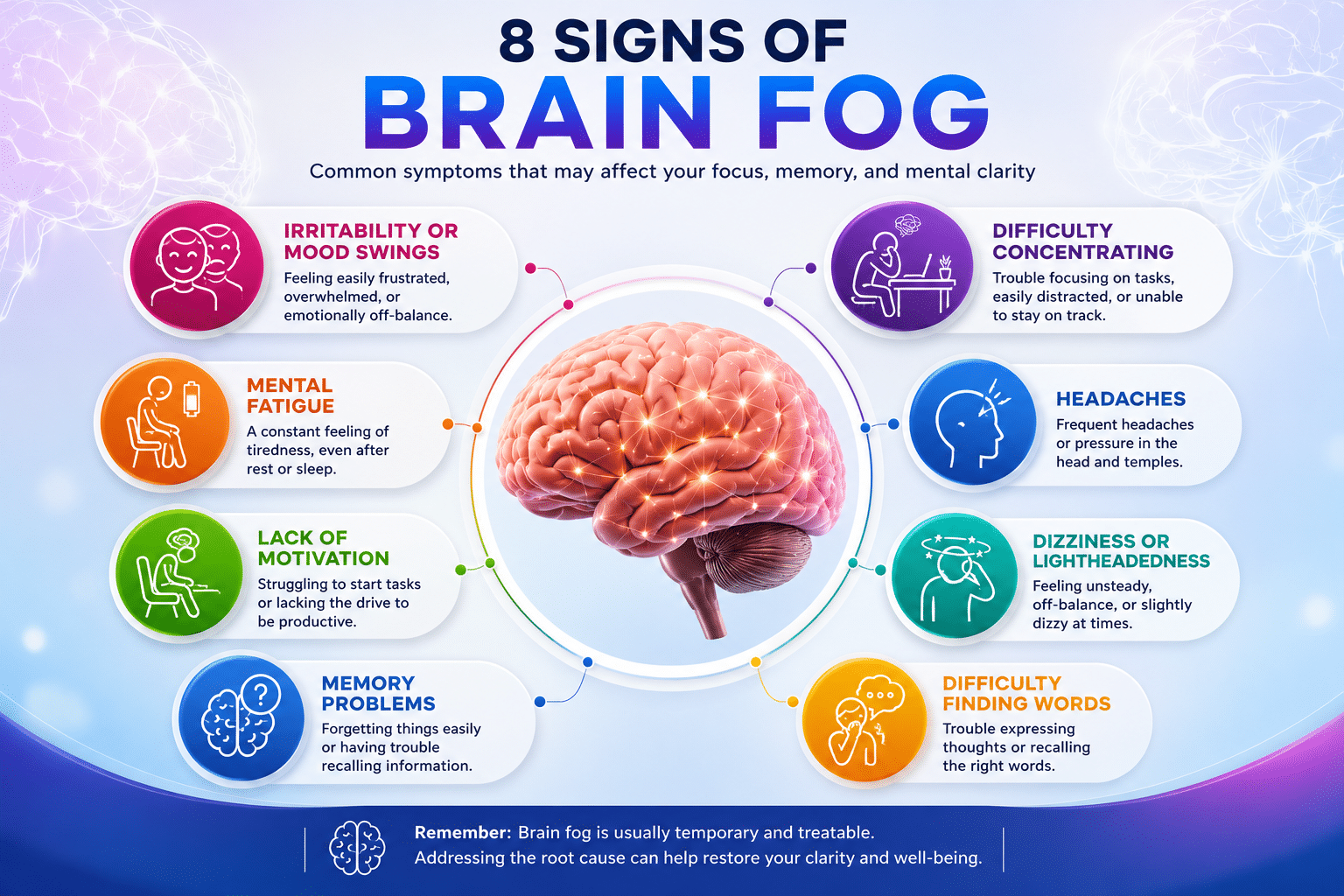
Brain fog symptoms can feel different for everyone, but most people experience a noticeable decline in focus, memory, mental sharpness, and cognitive energy. Some individuals struggle to process information quickly, while others feel mentally drained even after completing simple tasks.
Unlike occasional forgetfulness, persistent brain fog can interfere with work performance, studying, conversations, productivity, and daily routines. Many people report feeling as though their thoughts are “clouded,” slowed down, or difficult to organize clearly.
Memory Lapses
Brain fog can make it harder to remember names, appointments, recent conversations, or important details. People may frequently misplace items, forget tasks, or struggle with short-term memory recall.
Focus Fallout
Difficulty concentrating is one of the most common brain fog symptoms. You may find it harder to stay attentive during meetings, reading sessions, work assignments, or conversations without becoming easily distracted.
Mental Exhaustion
Mental fatigue often accompanies brain fog. Even after adequate rest, some individuals may feel mentally drained, overwhelmed, or unable to sustain cognitive effort for long periods.
Slowed Thinking
Brain fog may cause slower information processing and delayed reactions. Tasks that normally feel simple—such as problem-solving, multitasking, or organizing thoughts—can suddenly feel mentally demanding.
Decision Dilemmas
Some people with brain fog struggle with decision-making and mental clarity. Choosing between simple options, planning tasks, or staying mentally organized may become frustrating and exhausting.
Common Brain Fog Symptoms
Common brain fog symptoms may include:
- Forgetfulness and memory lapses
- Difficulty concentrating on tasks or conversations
- Mental fatigue or low cognitive energy
- Slower thinking and delayed mental processing
- Confusion or feeling mentally “clouded”
- Poor focus and reduced attention span
- Difficulty multitasking or organizing thoughts
- Trouble finding words during conversations
- Low motivation and reduced mental sharpness
- Increased stress and frustration from cognitive overload
- Difficulty making decisions quickly or clearly
- Feeling disconnected or mentally drained throughout the day
These symptoms may appear temporarily during periods of stress, illness, sleep deprivation, or emotional exhaustion. However, persistent or worsening brain fog may indicate an underlying lifestyle imbalance or health-related issue that should not be ignored.
What Causes Brain Fog?
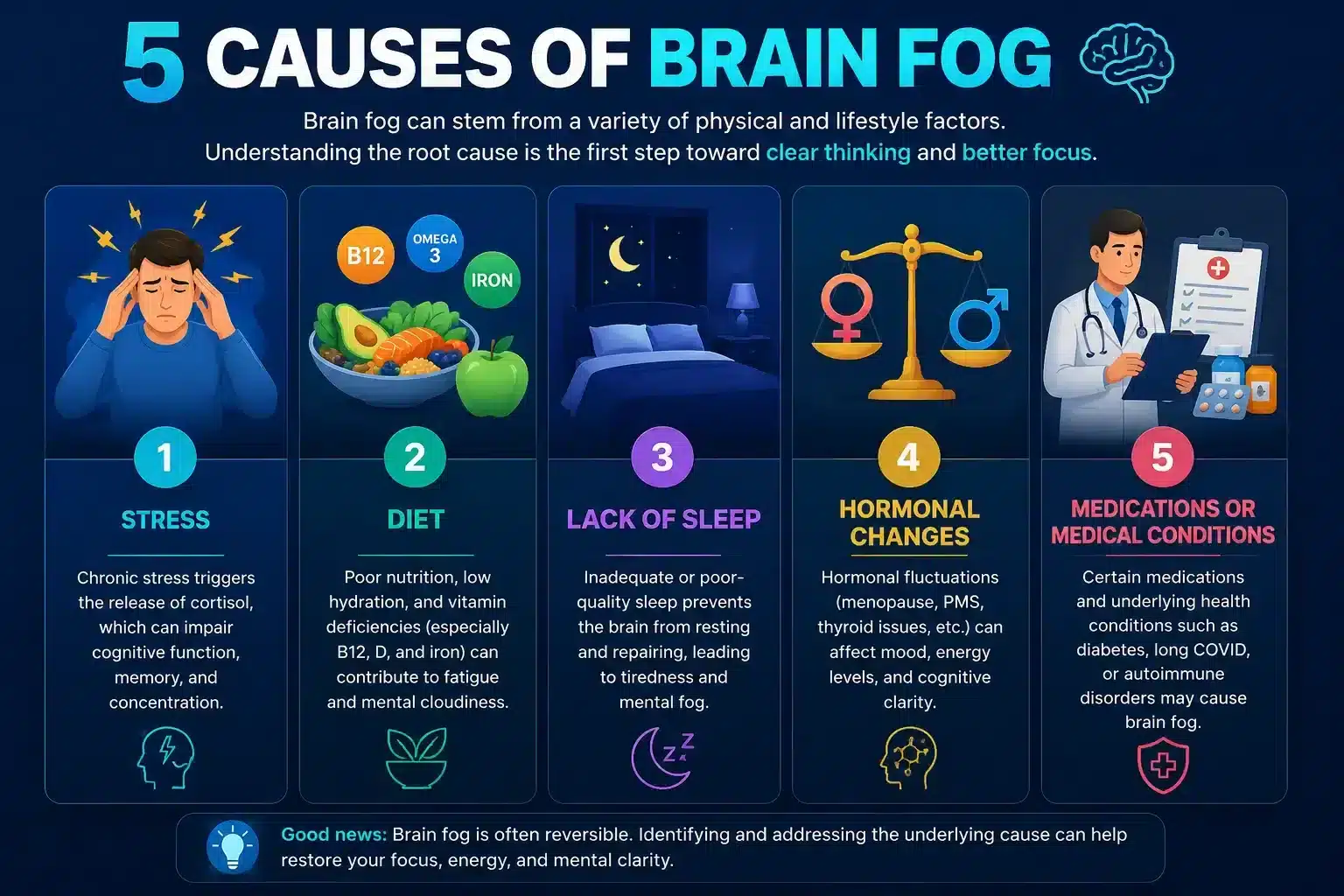
Brain fog can descend upon us like a sudden mental fog bank, leaving us feeling disoriented and frustrated. But what exactly triggers this frustrating phenomenon? Here, we delve into the various factors that can contribute to this problem:
1-Stress and Anxiety
Chronic stress and anxiety are among the most common causes of brain fog. When the body remains under constant stress, it releases higher levels of cortisol and other stress hormones that can interfere with memory, concentration, focus, and mental clarity. Over time, persistent stress may affect the brain’s ability to process information efficiently, leaving you mentally exhausted and emotionally overwhelmed.
People experiencing anxiety-related brain fog often report racing thoughts, poor concentration, forgetfulness, mental fatigue, and difficulty staying present during conversations or tasks. High stress levels may also disrupt sleep quality, increase inflammation, and worsen emotional burnout, all of which can contribute to cognitive fatigue.
Research suggests that prolonged stress may negatively affect areas of the brain involved in learning, memory, and decision-making. Managing stress through relaxation techniques, mindfulness, regular exercise, quality sleep, and reducing mental overload may help improve cognitive performance and reduce symptoms of brain fog over time.
A study published explained that long-term stress or being exposed to certain hormones for a long time can affect a part of the brain called the hippocampus. This can happen because the connections between nerve cells in the hippocampus can change, but it’s not permanent, and the cells don’t die.
2-Lack of Sleep
Sleep deprivation is one of the biggest contributors to brain fog and reduced cognitive function. During sleep, the brain processes information, consolidates memories, repairs neural pathways, and clears waste products that accumulate throughout the day. Poor sleep quality or insufficient sleep can interfere with these essential processes, leading to mental fatigue, forgetfulness, slower thinking, and difficulty concentrating.
People who regularly experience interrupted sleep, insomnia, irregular sleep schedules, or chronic sleep deprivation are more likely to struggle with focus, productivity, and mental clarity. Even a single night of poor sleep may temporarily impair attention span, decision-making, reaction time, and mood.
Research has consistently linked inadequate sleep with reduced brain performance and impaired memory function. Prioritizing 7–9 hours of quality sleep, maintaining a consistent sleep routine, limiting screen exposure before bedtime, and managing stress levels may help improve brain function and reduce brain fog symptoms naturally.
Research has demonstrated that sleep deprivation, whether total or partial, leads to various negative effects, such as cognitive performance impairments.
Consequently, whenever sleep is compromised, our brains struggle to function optimally, leading to impaired focus, memory, and alertness.
3-Dehydration
Dehydration can significantly affect brain function, energy levels, and mental performance. Since the brain is made up of approximately 75% water, even mild dehydration may impair concentration, memory, alertness, and mood. Many people underestimate how strongly hydration levels can influence cognitive clarity throughout the day.
Common signs of dehydration-related brain fog include headaches, dizziness, fatigue, poor focus, mental sluggishness, and slower thinking. Inadequate fluid intake may also reduce blood flow and oxygen delivery to the brain, making it harder to stay mentally alert and productive.
Research suggests that dehydration may negatively impact attention, short-term memory, and overall cognitive functions. Drinking enough water consistently throughout the day, reducing excessive caffeine or alcohol intake, and consuming hydrating foods such as fruits and vegetables may help support better brain function and mental clarity.
In a research study involving 16 participants, it was found that after 24 hours of water deprivation, fatigue levels increased and alertness decreased.
4-Nutritional Deficiencies
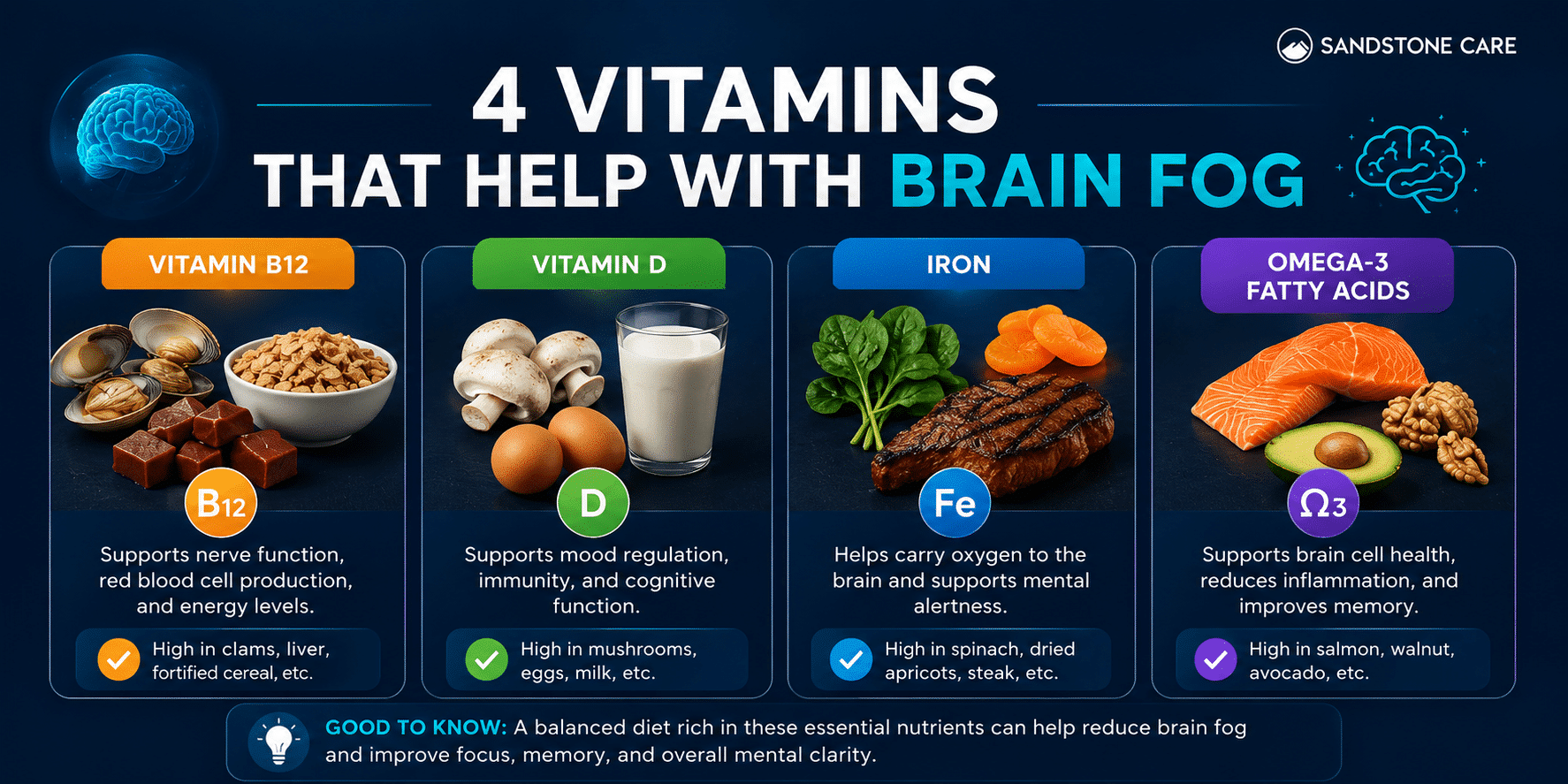
Nutritional deficiencies can play a major role in brain fog, mental fatigue, and poor concentration. The brain requires a steady supply of essential vitamins, minerals, healthy fats, and antioxidants to support memory, focus, neurotransmitter activity, and overall brain function. When the body lacks key nutrients, cognitive clarity and energy levels may decline significantly.
Poor dietary habits, restrictive eating patterns, digestive issues, chronic stress, and certain health conditions can all contribute to nutrient deficiencies associated with brain fog symptoms. In many cases, improving nutrition and restoring nutrient balance may help support better mental performance and cognitive health.
Omega-3 Deficiency
Omega-3 fatty acids, especially DHA, are important for brain cell structure, communication between neurons, memory, and focus. Insufficient omega-3 intake may contribute to difficulty concentrating, mental fatigue, and forgetfulness.
Foods such as fatty fish, walnuts, flaxseeds, and chia seeds provide beneficial omega-3 fats that may support long-term brain health and mental clarity.
Research also covered the relationship of Omega-3 Fatty Acids with Dementia and Cognitive decline and found that lower DHA levels were associated with poorer cognitive abilities in older adults. Brain fog symptoms like forgetfulness, difficulty concentrating, and mental fatigue can become more pronounced when your brain doesn’t have enough omega-3s to function optimally.
Vitamin B12 Deficiency
Vitamin B12 is essential for nerve function, red blood cell production, and healthy brain activity. Low vitamin B12 levels may contribute to memory problems, confusion, mental fatigue, poor concentration, and slower thinking. Older adults, vegetarians, vegans, and individuals with digestive disorders may be at higher risk of deficiency.
A study published in Nutritional Neuroscience found that vitamin B12 supplementation improved cognitive function in older adults with mild cognitive impairment. When you lack B12, your brain can’t produce the necessary neurotransmitters to function optimally, leading to the frustrating symptoms of brain fog.
Iron Deficiency
Iron plays a crucial role in oxygen transport and energy production throughout the body, including the brain. Low iron levels or iron-deficiency anemia may reduce oxygen delivery to brain tissues, leading to fatigue, dizziness, poor concentration, and brain fog symptoms.
People experiencing persistent tiredness, weakness, headaches, or cognitive fatigue may benefit from evaluating their iron levels with a healthcare professional.
Vitamin D Deficiency
Vitamin D supports several important brain functions, including mood regulation, immune health, and nervous system activity. Low vitamin D levels have been associated with fatigue, low mood, reduced mental clarity, and cognitive decline in some individuals.
Limited sunlight exposure, poor dietary intake, and certain medical conditions may increase the risk of vitamin D deficiency. Maintaining healthy vitamin D levels may help support cognitive performance and overall well-being.
Research indicates that Vitamin D aids in protecting the nervous system by regulating nerve growth and neurotrophic factors like nerve growth factor.
5-Hormonal Changes
Hormonal fluctuations can affect brain chemistry, mood, memory, and concentration, making them a common contributor to brain fog symptoms. Changes in hormones such as estrogen, progesterone, cortisol, insulin, and thyroid hormones may influence cognitive function and mental clarity.
Many women experience brain fog during menstruation, pregnancy, perimenopause, or menopause due to changing hormone levels. Hormonal imbalances may also affect sleep quality, emotional regulation, and energy levels, further contributing to cognitive fatigue.
Conditions such as thyroid disorders, adrenal dysfunction, insulin resistance, and menopause-related hormonal changes have all been linked to symptoms like forgetfulness, poor concentration, and mental sluggishness. Managing stress, improving sleep, maintaining balanced nutrition, and seeking medical evaluation when necessary may help reduce hormone-related brain fog.
As highlighted in a recent research article, the Australasian Menopause Society notes that brain fog during menopause can result in difficulties with immediate focus, increased distractibility, misplacing items, and experiencing lapses in time perception.
6-Excess Screen Time
Spending long hours in front of digital screens may contribute to mental fatigue, reduced attention span, eye strain, and brain fog symptoms. Continuous exposure to smartphones, computers, tablets, and social media can overload the brain with information and overstimulate the nervous system, making it harder to focus and process thoughts clearly.
Excessive screen time may also disrupt sleep quality by affecting melatonin production, particularly when devices are used late at night. Poor sleep combined with constant digital stimulation can increase cognitive fatigue, stress, anxiety, and difficulty concentrating.
Many people notice worsening brain fog after prolonged multitasking, excessive scrolling, gaming, or consuming large amounts of digital content without mental breaks. Limiting screen exposure, taking regular breaks, improving sleep habits, and spending more time outdoors may help support mental clarity and cognitive recovery.
Studies have indicated that prolonged exposure to these devices, including smartphones, personal computers, and televisions, can have significant implications for mental health. This constant exposure has been linked to increased levels of stress and anxiety, as well as various sleep issues, affecting both children and adults alike.
Moreover, when your executive function is already strained, retreating into high-dopamine digital loops can provide temporary relief but often leads to a deeper freeze. If you find your gaming habits are fueling this cycle, our guide on how to combat gaming addiction provides a roadmap to reclaiming your cognitive energy and breaking the paralysis.”
7-Pollution and Toxins
Environmental pollutants and toxic exposures may contribute to brain fog and reduced cognitive function over time. Air pollution, heavy metals, pesticides, industrial chemicals, and certain household toxins have been associated with inflammation, oxidative stress, and impaired neurological health in some studies.
Fine particulate matter found in polluted air may affect brain health by increasing inflammation and disrupting communication between brain cells. Long-term exposure to environmental toxins may contribute to mental fatigue, poor concentration, headaches, and difficulty processing information clearly.
In addition to outdoor pollution, excessive exposure to chemical cleaners, smoke, poor indoor air quality, and certain occupational toxins may also impact cognitive performance. Improving ventilation, reducing exposure to harmful chemicals, staying physically active, and maintaining a nutrient-rich diet may help support long-term brain health.
Microscopic Invaders: Air Pollution’s Assault
Air pollution is not only harmful to your respiratory system, but it can also negatively impact your brain. PM2.5, which are extremely small particles present in polluted air, can enter the brain through the bloodstream and the olfactory bulb (the smell receptor).
A study published found an association between exposure to pollutants and cognitive health. These pollutants can trigger inflammation in the brain, disrupt communication between neurons, and hinder cognitive function, leading to the difficulty focusing and brain fog symptoms.
Traffic Fumes
Traffic fumes are a major source of air pollution, containing harmful pollutants like nitrogen dioxide and volatile organic compounds (VOCs). These toxins can disrupt the delicate balance of neurotransmitters in the brain, crucial chemicals that regulate mood, memory, and focus.
Research published found that exposure to traffic-related air pollution was associated with decreased cognitive function in elderly adults. When neurotransmitter function is disrupted by traffic pollutants, it can manifest as brain fog, decreased memory, and difficulty focusing amidst the mental “noise.”
Environmental Toxins
Every day, environmental toxins, apart from air pollution, can also contribute to brain fog. Neurotoxic effects can be caused by pesticides, household cleaners, and even certain flame retardants. Studies have revealed that different pesticides can increase the levels of inflammatory factors in the body, leading to neuroinflammation, neuronal cell death, and cognitive impairment. These toxins can hinder brain development and function, resulting in symptoms such as brain fog, fatigue, and difficulties with learning and memory.
8-Medications
Certain medications may contribute to brain fog symptoms as a side effect, particularly those that affect the nervous system, sleep patterns, blood pressure, or mood regulation. Some people experience reduced concentration, memory issues, drowsiness, or mental fatigue after starting specific prescription or over-the-counter medications.
Medications commonly associated with cognitive side effects may include antihistamines, antidepressants, anti-anxiety medications, sleep aids, pain medications, and some blood pressure drugs. In some cases, combining multiple medications may further increase mental sluggishness or difficulty focusing.
Individuals experiencing persistent brain fog after starting a medication should speak with a healthcare professional before making any changes. A doctor may help identify possible medication-related causes or discuss alternative treatment options when appropriate.
9-Underlying Health Conditions
Persistent brain fog may sometimes be linked to underlying medical conditions that affect cognitive function, energy levels, sleep quality, or nervous system health. In these situations, brain fog often appears alongside other symptoms such as fatigue, dizziness, mood changes, headaches, or difficulty concentrating.
Several health conditions have been associated with brain fog symptoms, including thyroid disorders, anemia, chronic fatigue syndrome, depression, anxiety disorders, diabetes, autoimmune conditions, menopause, and long COVID. Hormonal imbalances, blood sugar fluctuations, chronic inflammation, and poor oxygen delivery may all contribute to cognitive fatigue and mental sluggishness.
Because brain fog can occasionally signal a deeper health issue, persistent or worsening symptoms should not be ignored. Seeking medical evaluation may help identify potential underlying causes and support appropriate treatment strategies.
10- Alcohol Consumption
Studies show that excessive or chronic alcohol consumption can impair cognitive function and contribute to brain fog.
Excessive alcohol intake may negatively affect memory, concentration, sleep quality, and overall brain function. Alcohol can disrupt neurotransmitter balance, increase dehydration, interfere with restorative sleep, and impair communication between brain cells, all of which may contribute to brain fog symptoms.
Short-term alcohol use may temporarily reduce mental clarity and reaction time, while long-term heavy drinking has been associated with more persistent cognitive impairment and memory difficulties. Alcohol may also worsen nutritional deficiencies, fatigue, anxiety, and mood changes that further contribute to mental fog and low cognitive performance.
Reducing alcohol consumption, staying hydrated, improving sleep habits, and supporting overall brain health through nutrition and exercise may help improve cognitive clarity over time.
Can Brain Fog Be a Sign of an Underlying Condition
Brain fog is often linked to lifestyle factors such as stress, poor sleep, dehydration, or mental exhaustion. However, persistent or severe brain fog may sometimes indicate an underlying medical condition affecting brain function, hormone balance, circulation, or nervous system health.
Several health conditions have been associated with symptoms such as poor concentration, memory problems, mental fatigue, slower thinking, and difficulty focusing. These may include thyroid disorders, anemia, depression, anxiety disorders, autoimmune diseases, chronic fatigue syndrome, diabetes, menopause, sleep disorders, and long COVID.
Although occasional brain fog is common, persistent cognitive symptoms should not be ignored—especially when they interfere with work, daily activities, communication, or quality of life. Seeking professional medical advice may help identify underlying causes and support appropriate treatment or lifestyle interventions.
How to Get Rid of Brain Fog: Treatment and Strategies
Feeling like your brain is stuck on “slow”? Don’t despair! Here are some natural approaches to clear brain fog instantly and reclaim your mental sharpness:
1-Prioritize Quality Sleep
Quality sleep is the best and top brain fog treatment. Improving sleep quality is one of the most effective ways to reduce brain fog and support cognitive function naturally. During sleep, the brain repairs neural pathways, consolidates memories, regulates hormones, and removes metabolic waste that accumulates throughout the day. Poor sleep quality or chronic sleep deprivation can interfere with these essential processes and contribute to mental fatigue, forgetfulness, and difficulty concentrating.
Many people experience worsening brain fog when they follow inconsistent sleep schedules, stay up late frequently, or spend excessive time on screens before bed. Sleep disorders such as insomnia or sleep apnea may also impair cognitive performance and daytime mental clarity.
Establishing a consistent sleep routine, reducing blue-light exposure at night, limiting caffeine late in the day, and creating a calm sleep environment may help improve sleep quality and support better mental focus over time. Most adults benefit from approximately 7–9 hours of quality sleep each night for optimal brain health and recovery.
2-Manage Stress Effectively
Chronic stress can overload the nervous system and negatively affect memory, concentration, decision-making, and emotional balance. Elevated stress hormones such as cortisol may interfere with cognitive performance and contribute to symptoms like mental fatigue, racing thoughts, forgetfulness, and reduced focus.
Managing stress effectively may help improve brain function and mental clarity over time. Relaxation techniques such as deep breathing, mindfulness meditation, journaling, yoga, spending time outdoors, and limiting mental overstimulation may help calm the nervous system and reduce cognitive overload.
Regular physical activity, healthy social interaction, and maintaining work-life balance may also support emotional resilience and cognitive health. Because chronic stress and anxiety are closely connected to brain fog symptoms, reducing stress levels is often an important step toward improving focus and mental energy.
Chronic stress takes a toll on your brain function. Implement relaxation techniques like yoga, meditation, or deep breathing to combat stress and enhance cognitive performance. A 2017 study published in Nature Reviews Neuroscience highlights the link between chronic stress and impaired hippocampal function, a brain region crucial for memory.
3-Exercise and Physical Activity for Brain Fog
Regular physical activity may help improve blood circulation, oxygen delivery, mood regulation, and overall brain function. Exercise supports the release of chemicals that promote healthy brain cell communication, memory, and mental performance. Even moderate movement throughout the day may help reduce mental fatigue and improve concentration.
Research suggests that regular exercise may support cognitive health by reducing inflammation, improving sleep quality, lowering stress levels, and supporting cardiovascular function. Activities such as walking, strength training, yoga, cycling, stretching, or low-impact cardio may help improve mental clarity and energy levels over time.
Sedentary lifestyles and prolonged sitting may worsen feelings of sluggishness and cognitive fatigue in some individuals. Building a consistent movement routine, even with short daily workouts, may help support sharper thinking, better focus, and improved overall well-being
Aerobic Exercise Boosts Your Brain Signals
Aerobic activities like Brisk walking, jogging, swimming, biking, and dancing get your heart rate up and blood flowing, which is beneficial for brain health.
Research suggests that aerobic exercise can structurally influence the brain, leading to improvements in specific aspects of cognitive function, such as executive function and memory.
You will be inspired to read our detailed article on Running Five Miles a Day
High-Intensity Interval Training (HIIT)
HIIT involves alternating short bursts of intense activity with periods of rest or low-intensity exercise. This type of workout can be particularly beneficial for boosting cognitive function in a time-efficient way.
Scientists suggest that HIIT can improve cognitive function in healthy young adults, including memory and executive function.
Strength Training For Better Mental Clarity
Bodyweight exercises, weightlifting, and resistance band exercises help build muscle mass, which can indirectly benefit brain health. Additionally, the focus and coordination required during strength training can improve cognitive function.
Research found that strength training induces functional changes in the brain and enhances cognitive function in both healthy adults and older individuals, including those with cognitive impairments.
Note: Aim for at least 30 minutes of moderate-intensity exercise most days of the week.
4-Dietary Modifications for Brainpower

Nutrition plays an important role in brain health, cognitive performance, and mental clarity. The brain requires a steady supply of nutrients, healthy fats, antioxidants, vitamins, minerals, and stable blood sugar levels to function efficiently. Poor dietary habits, excessive processed foods, sugar spikes, and nutrient deficiencies may contribute to fatigue, poor concentration, and brain fog symptoms.
A balanced diet rich in whole foods may help support better focus and cognitive function over time. Foods commonly associated with brain health include leafy greens, moringa, berries, fatty fish, eggs, nuts, seeds, avocados, olive oil, and high-fiber foods that help stabilize blood sugar levels. Staying hydrated and reducing excessive alcohol intake may also support mental performance and energy levels.
Some individuals notice worsening brain fog after consuming highly processed foods, excessive sugar, or meals that trigger inflammation or digestive discomfort. Maintaining balanced nutrition, eating regular meals, and prioritizing nutrient-dense foods may help improve concentration, mood, and overall cognitive health naturally.
Hydration is Key
Even mild dehydration can trigger brain fog. Make water your go-to beverage and aim to drink plenty throughout the day.
For more dietary options, jump to our best nutritional guides.
5-Intermittent Fasting (IF) for Brain Fog
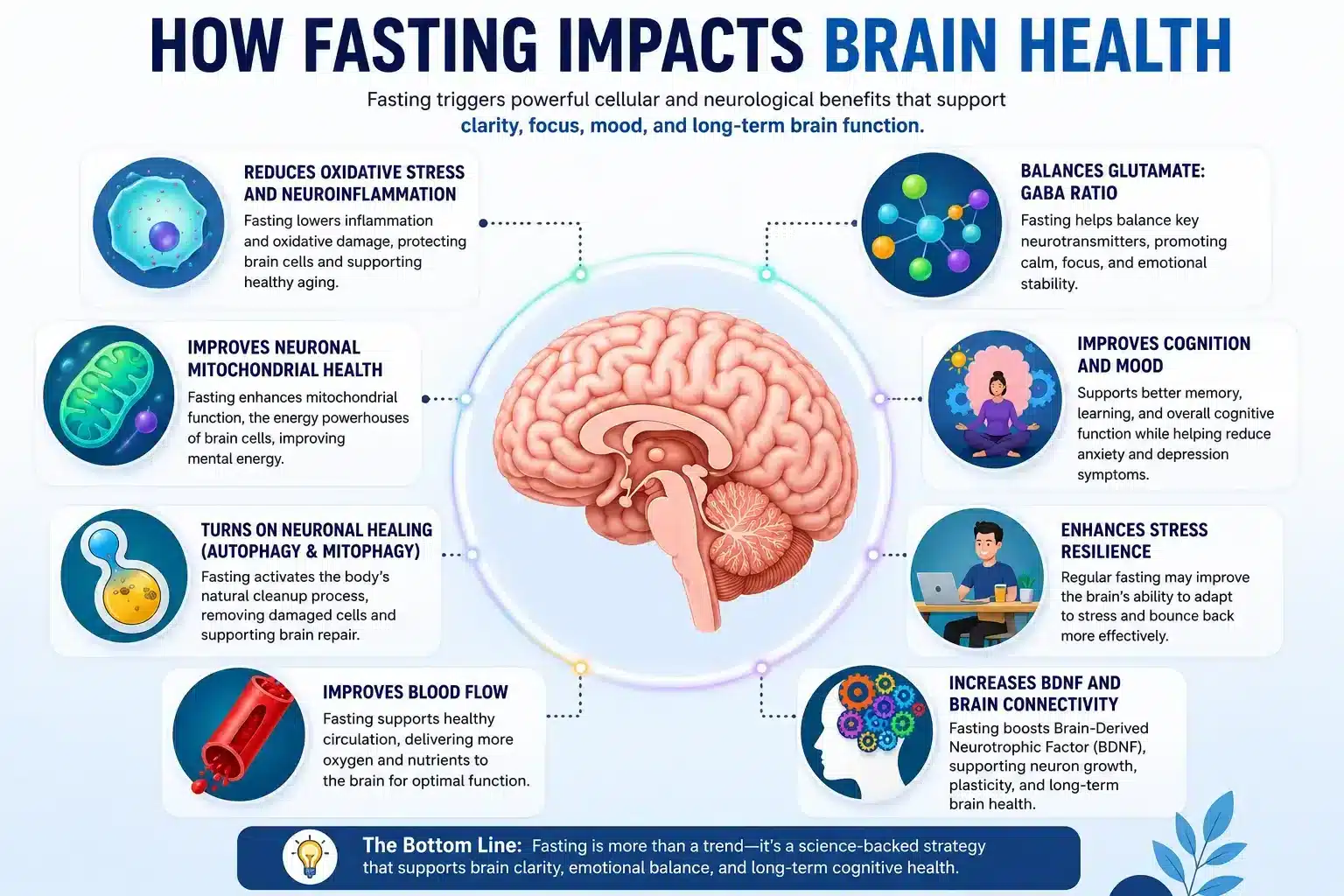
Some research suggests that intermittent fasting may support brain health and cognitive function in certain individuals by helping regulate blood sugar levels, reduce inflammation, and support cellular repair processes. Some people report improved mental clarity, focus, and energy levels when following structured fasting routines such as the 16:8 or 18:6 intermittent fasting method.
Intermittent fasting may also influence brain-related processes associated with insulin sensitivity, oxidative stress, and metabolic health, which can indirectly affect cognitive performance. However, responses to fasting can vary significantly from person to person. Some individuals may experience temporary fatigue, headaches, irritability, or worsening brain fog, especially during the adjustment phase.
People with medical conditions, diabetes, eating disorders, pregnancy, or nutritional deficiencies should speak with a healthcare professional before starting intermittent fasting. A balanced approach to nutrition, hydration, sleep, and stress management remains essential for long-term cognitive health.
Cellular Clean-Up: Intermittent Fasting (IF) cleans out damaged cells and promotes the renewal of healthy ones. This can potentially improve brain health and function, leading to increased focus and reduced brain fog.
Inflammation Reduction: IF has been linked to a reduction in inflammation markers, which may result in sharper thinking and improved cognitive performance. It may also increase levels of BDNF, a protein essential for brain cell growth and repair, which could improve memory, learning, and cognitive function.
Improved Insulin Sensitivity: IF may improve insulin sensitivity and the body’s ability to regulate blood sugar levels. Stable blood sugar is crucial for brain function, and fluctuations can contribute to brain fog. By improving insulin sensitivity, IF might help maintain stable energy levels and enhance cognitive clarity.
6-Supplements That May Support Cognitive Health
Certain supplements may help support brain function and mental clarity, particularly in individuals with nutritional deficiencies or increased cognitive stress. However, supplements are not a replacement for quality sleep, balanced nutrition, physical activity, stress management, or professional medical care.
Some nutrients commonly associated with cognitive health include omega-3 fatty acids, magnesium, vitamin B12, vitamin D, and iron. These nutrients play important roles in nerve function, neurotransmitter activity, energy production, and overall brain performance. In cases of deficiency, restoring healthy nutrient levels may help improve focus, memory, and mental energy.
While some supplements are marketed aggressively for “brain boosting,” scientific evidence varies depending on the ingredient and individual health condition. It is generally best to prioritize a nutrient-rich diet first and seek medical guidance before starting new supplements, especially for persistent or severe brain fog symptoms.
When to See a Doctor
Occasional brain fog can happen during periods of stress, poor sleep, illness, dehydration, or emotional exhaustion. However, persistent, severe, or worsening brain fog should not be ignored, especially when it begins interfering with work performance, daily activities, memory, communication, or overall quality of life.
In some cases, ongoing cognitive symptoms may be linked to an underlying medical condition such as thyroid disorders, anemia, sleep disorders, depression, anxiety, hormonal imbalances, autoimmune diseases, neurological conditions, or long COVID. Seeking medical evaluation may help identify potential causes and guide appropriate treatment.
You should consider speaking with a healthcare professional if brain fog is accompanied by symptoms such as:
- Persistent memory problems
- Severe fatigue or weakness
- Difficulty speaking or understanding conversations
- Frequent headaches or dizziness
- Sudden confusion or disorientation
- Mood changes or worsening anxiety/depression
- Sleep disturbances that do not improve
- Difficulty completing routine daily tasks
A doctor may recommend blood tests, nutritional assessments, sleep evaluations, or other medical examinations depending on your symptoms and medical history. Early evaluation may help address underlying causes before symptoms become more disruptive.
Conclusion
Brain fog can affect focus, memory, productivity, and overall mental well-being, making even simple daily tasks feel mentally exhausting. Although brain fog is not a medical diagnosis itself, it is often linked to lifestyle habits, stress, poor sleep, nutritional deficiencies, hormonal changes, dehydration, and certain underlying health conditions.
Understanding the root causes of brain fog is an important step toward improving cognitive health and restoring mental clarity. In many cases, healthy lifestyle changes such as prioritizing sleep, managing stress, staying physically active, improving nutrition, and maintaining proper hydration may help reduce symptoms naturally over time.
However, persistent or worsening brain fog should not be ignored, especially when it interferes with daily life, communication, memory, or emotional well-being. Seeking professional medical guidance may help identify underlying causes and support appropriate treatment strategies for long-term cognitive health.
Stay Tuned for More!
Subscribe for more brain health and wellness tips to keep your mind sharp and your memory thriving!
Frequently Asked Questions
What does brain fog feel like?
Brain fog often feels like mental fatigue, forgetfulness, slower thinking, poor concentration, or difficulty processing information clearly. Many people describe it as feeling mentally “clouded,” distracted, or unable to focus effectively during daily tasks.
Can lack of sleep cause brain fog?
Yes. Poor sleep quality and sleep deprivation are among the most common causes of brain fog. Inadequate sleep can affect memory, concentration, mood regulation, reaction time, and overall cognitive performance.
What vitamin deficiency causes brain fog?
Several nutrient deficiencies may contribute to brain fog symptoms, including low levels of vitamin B12, vitamin D, iron, magnesium, and omega-3 fatty acids. Nutritional deficiencies may impair brain function, energy production, and nervous system health.
How long does brain fog last?
The duration of brain fog varies depending on its underlying cause. Temporary brain fog caused by stress, illness, dehydration, or poor sleep may improve within days or weeks. However, persistent symptoms may require medical evaluation and lifestyle changes.
Can anxiety cause brain fog?
Yes. Anxiety and chronic stress may contribute to racing thoughts, mental fatigue, poor concentration, and cognitive overload, all of which can increase brain fog symptoms.
Is brain fog dangerous?
Brain fog itself is not usually considered dangerous, but persistent or severe symptoms may sometimes signal an underlying medical condition that should be evaluated by a healthcare professional.
How do you clear brain fog fast?
Improving sleep quality, staying hydrated, reducing stress, eating balanced meals, limiting screen overload, and engaging in regular physical activity may help improve mental clarity and reduce brain fog symptoms naturally.
Can dehydration cause brain fog?
Yes. Even mild dehydration may affect concentration, memory, alertness, and mental performance. Drinking enough water consistently throughout the day may help support better cognitive function and mental clarity.
Is there an overlap between Anxiety and Brain Fog?
Anxiety and brain fog are related but different mental states. Anxiety is the persistent worry, fear, or apprehension, often with physical symptoms. Brain fog is difficulty focusing, memory lapses, and mental fatigue. Anxiety can cause brain fog, but they can occur separately. Anxiety is emotional, brain fog is cognitive. Brain fog can cause anxiety due to cognitive challenges.
How Long Does Brain Fog Last?
The duration of brain fog can vary widely depending on the underlying cause and individual factors. It can last anywhere from a few minutes to several hours or even persist for days or weeks in some cases.