

What Is 18:6 Intermittent Fasting?
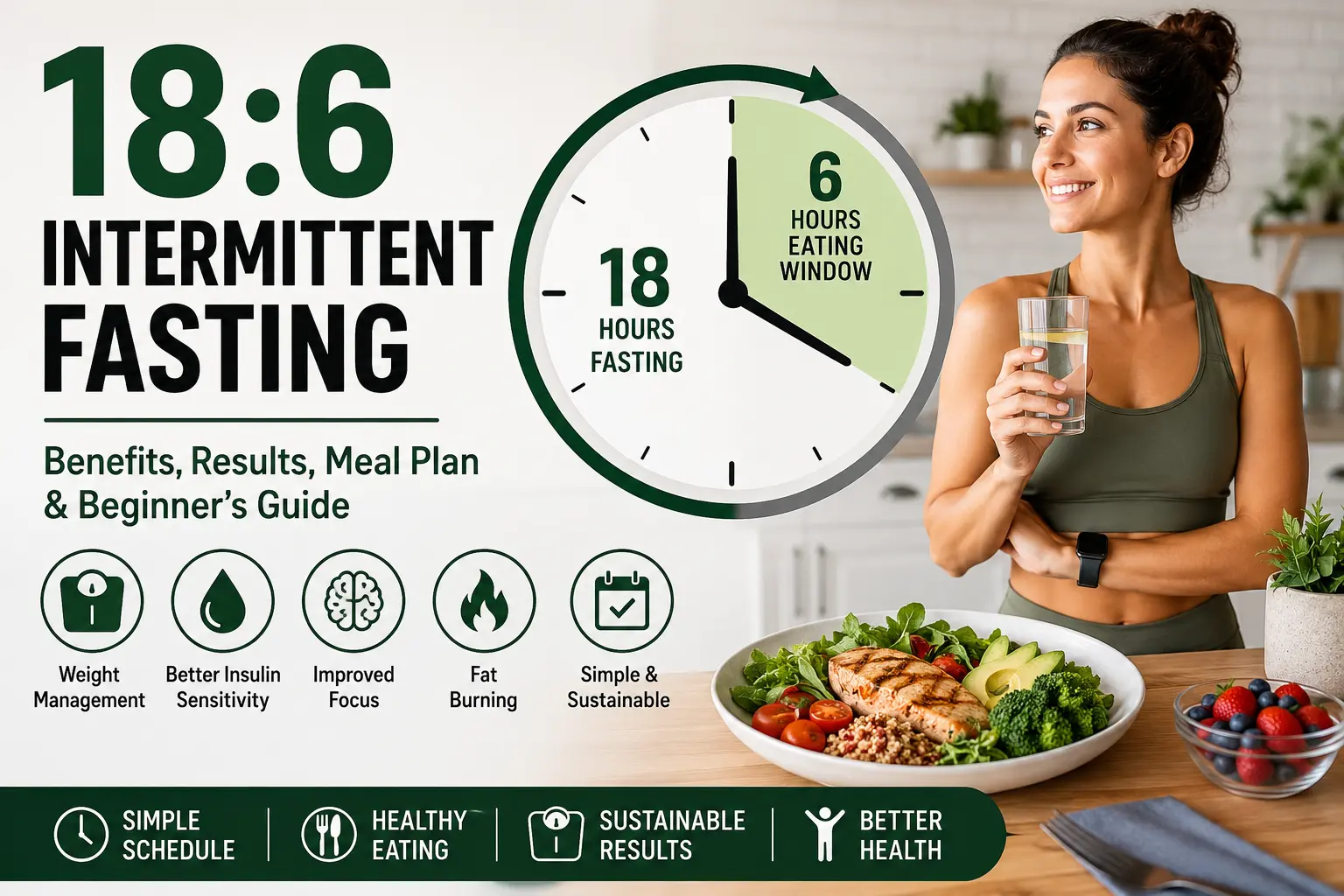
18:6 intermittent fasting is a type of time-restricted eating that involves fasting for 18 hours each day and consuming all meals within a 6-hour eating window. During the fasting period, no calorie-containing foods or beverages are consumed, although water, black coffee, and unsweetened tea are generally allowed.
For example, if your eating window is from 12:00 PM to 6:00 PM, you would fast from 6:00 PM until noon the following day. Many people choose this schedule because it naturally limits late-night eating and may help reduce overall calorie intake.
The 18:6 method is considered more structured than the popular 16:8 fasting schedule because it extends the fasting period by an additional two hours. While this can make it more challenging for beginners, some people prefer it for its simplicity and potential metabolic benefits.
Interest in 18:6 intermittent fasting has grown as research continues to explore how time-restricted eating may influence weight management, insulin sensitivity, metabolic health, and overall well-being. However, results vary from person to person, and success depends largely on diet quality, consistency, sleep, and lifestyle habits.
Research published in the New England Journal of Medicine and other studies shows that conditions like obesity, diabetes, cardiovascular disease, cancer, and neurological problems can all benefit from intermittent fasting.
How Does 18:6 Intermittent Fasting Work?
18:6 intermittent fasting works by extending the time your body spends without food each day. Instead of eating throughout the day, you consume your meals within a six-hour window and fast for the remaining eighteen hours.
During the fasting period, insulin levels gradually decline because no new calories are entering the body. Lower insulin levels make it easier for the body to access stored energy, including glycogen and body fat. As the fasting window progresses, the body shifts from relying primarily on recently consumed food to utilizing stored energy reserves.
Unlike traditional diets that focus mainly on what to eat, 18:6 intermittent fasting focuses on when to eat. Many people find this approach simpler because it reduces the number of eating occasions and may naturally decrease overall calorie intake without strict calorie counting.
Research on time-restricted eating suggests that aligning food intake within a consistent daily window may support weight management, metabolic health, and blood sugar control when combined with a balanced diet and healthy lifestyle. However, fasting is not a magic solution, and results depend on factors such as food quality, physical activity, sleep, stress management, and long-term consistency.
For most people, the goal of 18:6 fasting is not simply to eat less, but to create a structured eating pattern that supports sustainable healthy habits over time.
What Happens During an 18-Hour Fast?
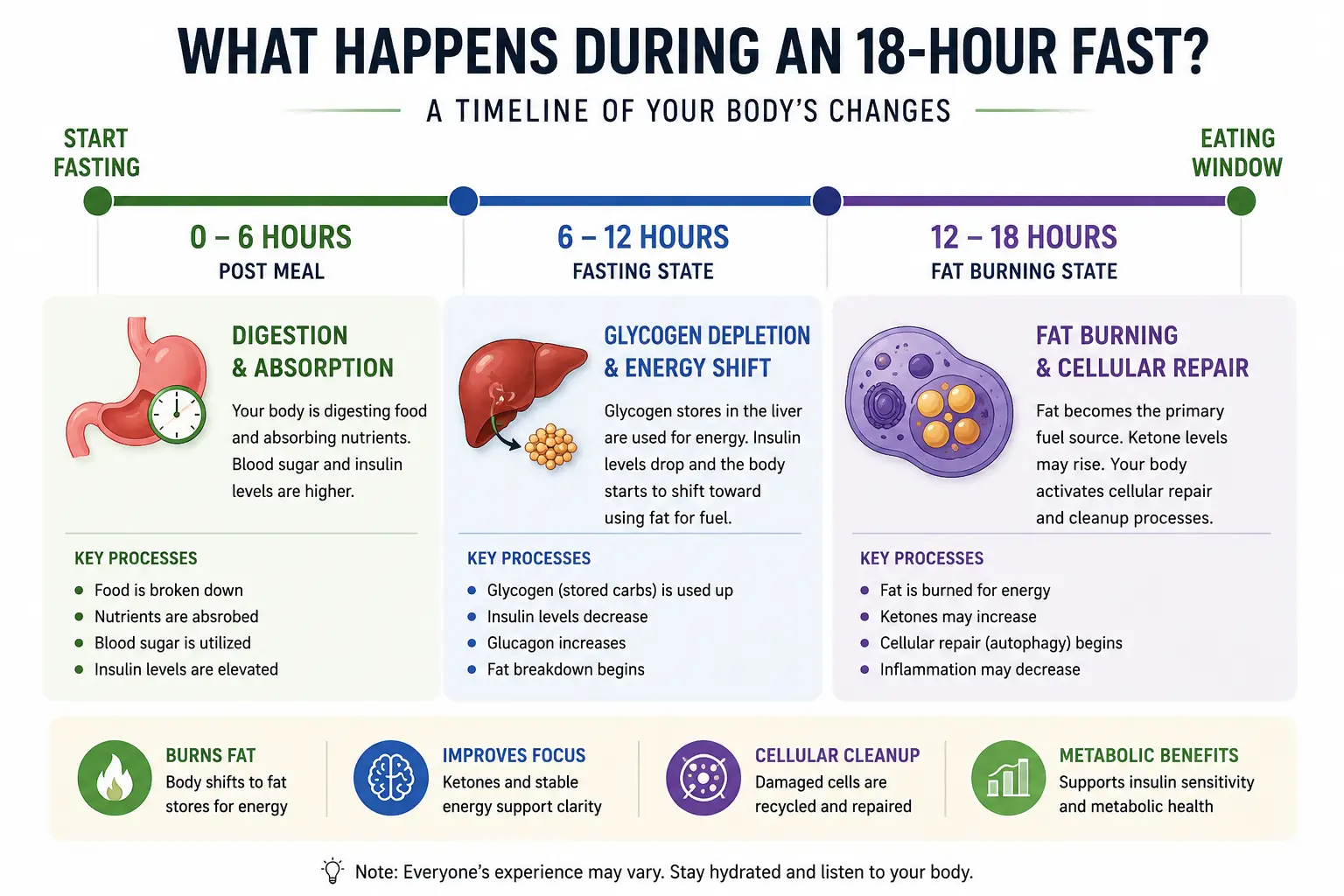
Although every person responds differently, the body typically goes through several metabolic changes during an 18-hour fasting period. Understanding these changes can help explain why many people choose the 18:6 intermittent fasting schedule for weight management and metabolic health.
0–6 Hours After Eating
During the first few hours after a meal, the body primarily uses glucose from recently consumed food as its main energy source. Insulin levels rise to help move glucose into cells, where it can be used for energy or stored for later use.
At this stage, the body is still processing nutrients from your last meal, and fat burning remains relatively limited because energy from food is readily available.
6–12 Hours After Eating
As digestion finishes, blood sugar and insulin levels gradually begin to decline. The body starts relying more on stored glycogen, which is the carbohydrate reserve found mainly in the liver and muscles.
Many people begin entering the early stages of a fasting state during this period. Hunger levels may increase temporarily, especially for those who are new to intermittent fasting.
12–18 Hours After Eating
As the fasting window continues, glycogen stores become progressively depleted and the body starts relying more heavily on stored fat for energy. Insulin levels generally remain lower than during the fed state, allowing greater access to stored energy reserves.
Many people report improved mental clarity, reduced cravings, and more stable energy levels once they become adapted to a consistent fasting routine.
The Metabolic Switch Explained
The term “metabolic switch” refers to the body’s gradual transition from primarily using glucose as fuel to utilizing stored fat for energy. This shift does not happen instantly at a specific hour but develops progressively as the fasting period lengthens.
The 18:6 fasting schedule provides a longer fasting window than 16:8, which may allow more time for this transition to occur. However, factors such as activity level, diet composition, metabolic health, and individual differences all influence how quickly the body adapts.
Rather than focusing on reaching a specific hour threshold, it is more helpful to view intermittent fasting as a long-term eating pattern that supports consistency, healthy food choices, and sustainable lifestyle habits.
18:6 Intermittent Fasting vs 16:8: Which Is Better?
Both 16:8 and 18:6 intermittent fasting are popular forms of time-restricted eating. The main difference is the length of the fasting window. While 16:8 involves fasting for 16 hours and eating within an 8-hour window, 18:6 extends the fasting period by an additional two hours and reduces the eating window to six hours.
For many beginners, 16:8 is often easier to follow because it allows more flexibility for meals and social activities. However, some people prefer 18:6 because the longer fasting period may help reduce snacking opportunities and encourage a more structured eating pattern.
The best intermittent fasting schedule is ultimately the one you can follow consistently while maintaining a balanced diet and healthy lifestyle.
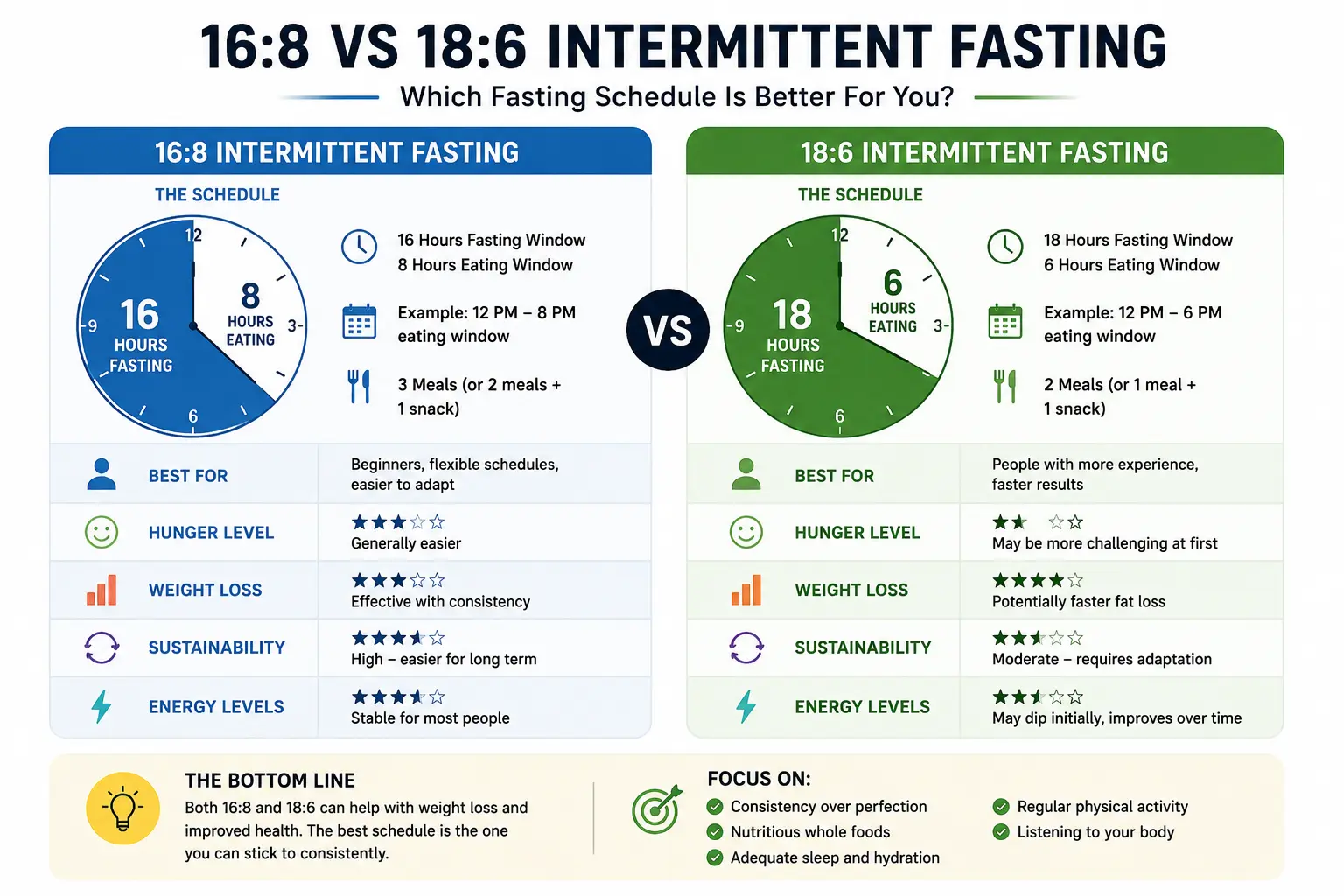
Quick Comparison of 16:8 vs 18:6 Fasting
| Factor | 16:8 Fasting | 18:6 Fasting |
|---|---|---|
| Fasting Window | 16 Hours | 18 Hours |
| Eating Window | 8 Hours | 6 Hours |
| Beginner Friendly | Excellent | Moderate |
| Flexibility | Higher | Lower |
| Hunger Level | Lower | Moderate |
| Long-Term Sustainability | Very High | High |
| Weight Loss Potential | Good | Good to Very Good |
| Suitable for Beginners | Yes | After adaptation |
Who Should Choose 16:8?
16:8 fasting is generally a better starting point for beginners, individuals with busy schedules, and those who are new to time-restricted eating. It provides more flexibility while still offering many of the benefits associated with intermittent fasting.
Who Should Choose 18:6?
18:6 fasting may be suitable for people who already have experience with intermittent fasting and want a slightly longer fasting period. Many individuals transition to 18:6 after successfully following 16:8 for several weeks.
Rather than forcing a more aggressive fasting schedule, consistency is usually more important than fasting duration alone. A sustainable routine followed for months is often more effective than a stricter plan that becomes difficult to maintain.
Best 18:6 Intermittent Fasting Schedule Examples
One of the advantages of 18:6 intermittent fasting is its flexibility. The specific fasting and eating windows can be adjusted to fit your work schedule, family commitments, exercise routine, and personal preferences.
The most effective schedule is usually the one you can follow consistently over the long term.
Schedule Option 1: 12 PM to 6 PM
Fasting Window: 6 PM to 12 PM (18 hours)
Eating Window: 12 PM to 6 PM
This is one of the most common 18:6 fasting schedules because it naturally skips breakfast while allowing lunch, an afternoon snack, and an early dinner.
Best for:
- Office workers
- People who naturally skip breakfast
- Beginners transitioning from 16:8 fasting
Schedule Option 2: 1 PM to 7 PM
Fasting Window: 7 PM to 1 PM
Eating Window: 1 PM to 7 PM
This option offers slightly more flexibility for social dinners while still maintaining the full 18-hour fasting period.
Best for:
- Busy professionals
- Individuals who prefer a later dinner
- People with evening social commitments
Schedule Option 3: 2 PM to 8 PM
Fasting Window: 8 PM to 2 PM
Eating Window: 2 PM to 8 PM
This schedule is popular among people who work late shifts or prefer exercising in the morning while fasted.
Best for:
- Late eaters
- Shift workers
- Those who prefer evening meals
Which 18:6 Schedule Is Best?
There is no universally perfect eating window. Research suggests that consistency matters more than choosing an exact eating schedule.
When selecting your fasting window, consider:
- Your work routine
- Family meal times
- Exercise schedule
- Hunger patterns
- Long-term sustainability
The best 18:6 intermittent fasting schedule is the one you can maintain comfortably while still meeting your nutritional needs.
What Can You Eat During the 6-Hour Eating Window?
One of the most common misconceptions about intermittent fasting is that you can eat anything you want during your eating window. While 18:6 fasting focuses on meal timing rather than strict food rules, the quality of your food choices still plays a major role in your results.
A balanced eating window should provide enough protein, healthy fats, fiber, vitamins, and minerals to support energy levels, muscle maintenance, and overall health.
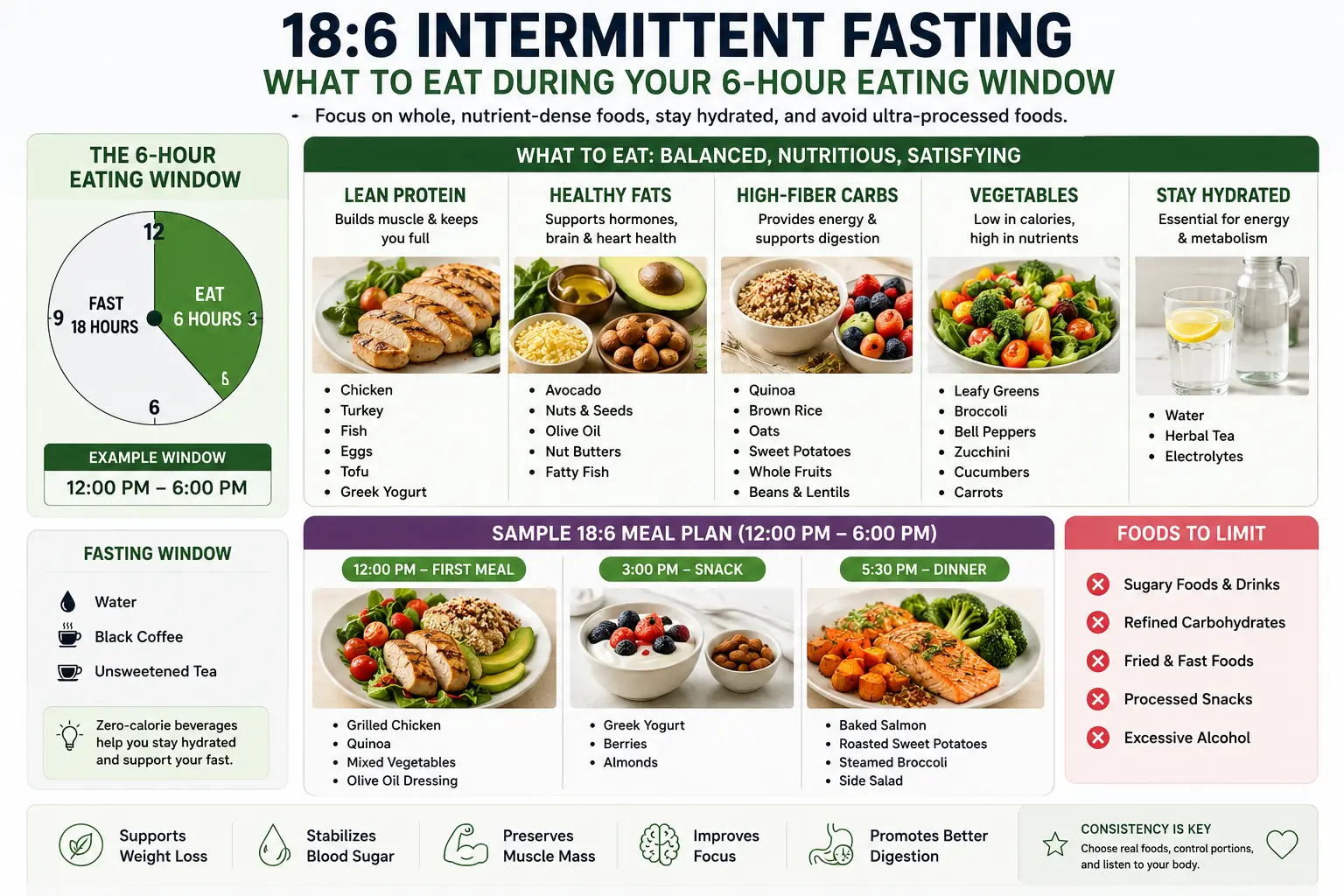
Prioritize Lean Protein
Protein helps preserve muscle mass, supports recovery, and may help control hunger during the fasting period.
Good protein sources include:
- Chicken breast
- Turkey
- Fish and seafood
- Eggs
- Greek yogurt
- Cottage cheese
- Tofu and tempeh
- Legumes and beans
Aim to include a quality protein source in every meal whenever possible.
Include Healthy Fats
Healthy fats can help increase satiety and support hormone production.
Examples include:
- Avocados
- Olive oil
- Nuts and seeds
- Natural nut butters
- Fatty fish such as salmon
- Chia seeds and flaxseeds
Moderation is important because fats are calorie-dense.
Choose High-Fiber Carbohydrates
Fiber helps support digestion, blood sugar control, and a sense of fullness.
High Fiber good options include:
- Oats
- Brown rice
- Quinoa
- Sweet potatoes
- Whole grains
- Fruits
- Vegetables
Rather than eliminating carbohydrates entirely, focus on minimally processed sources.
Stay Hydrated
Hydration remains important during both the fasting and eating windows.
Water should be your primary beverage, but you can also include:
- Sparkling water
- Unsweetened tea
- Black coffee
- Herbal tea
Proper hydration may help reduce headaches and fatigue that sometimes occur when starting intermittent fasting.
Foods to Limit
While occasional treats can fit into a healthy lifestyle, regularly filling your eating window with highly processed foods may reduce the benefits of intermittent fasting.
Try to limit:
- Sugary drinks
- Pastries and desserts
- Ultra-processed snacks
- Deep-fried foods
- Excessive fast food
- Highly refined carbohydrates
The goal is not perfection but to build a sustainable eating pattern centered on nutrient-dense foods.
Sample 18:6 Meal Plan
12:00 PM – First Meal
- Grilled chicken breast
- Brown rice
- Mixed vegetables
- Side salad
3:00 PM – Snack
- Greek yogurt
- Berries
- Handful of almonds
5:30 PM – Dinner
- Baked salmon
- Sweet potato
- Steamed vegetables
This is only an example. Your ideal meal plan should be based on your calorie needs, activity level, health goals, and dietary preferences.
Benefits of 18:6 Intermittent Fasting
When combined with a balanced diet, regular physical activity, and healthy lifestyle habits, 18:6 intermittent fasting may provide several potential benefits. However, individual results can vary depending on age, activity level, metabolic health, and overall calorie intake.
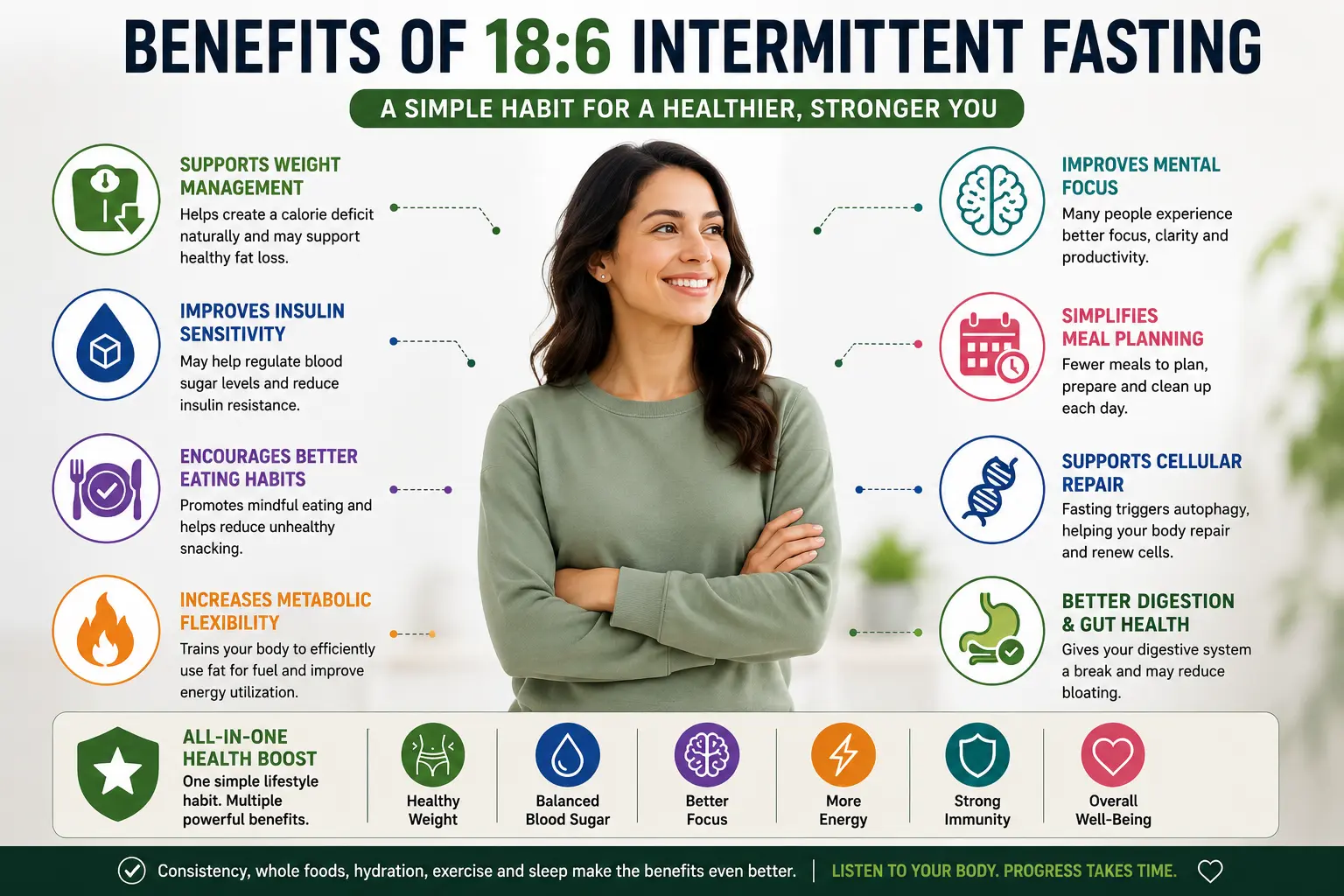
May Support Weight Management
One of the most common reasons people try 18:6 intermittent fasting is weight loss. Restricting food intake to a six-hour eating window may naturally reduce overall calorie consumption and help limit unnecessary snacking.
While intermittent fasting is not a magic solution, it can make maintaining a calorie deficit easier for some individuals.
May Improve Insulin Sensitivity
Research suggests that time-restricted eating may help improve insulin sensitivity and support healthier blood sugar regulation in some people.
Lower insulin levels during fasting periods may also encourage the body to access stored energy more efficiently.
May Encourage Better Eating Habits
Many people find that having a defined eating window helps reduce mindless eating, emotional snacking, and late-night food consumption.
A structured eating schedule may make it easier to develop consistent dietary habits over time.
May Increase Metabolic Flexibility
Metabolic flexibility refers to the body’s ability to switch between different fuel sources, such as carbohydrates and fat.
Regular fasting periods may help the body become more efficient at utilizing stored energy when food is not immediately available.
May Improve Mental Focus
Some people report improved concentration and reduced distractions during fasting periods. While experiences vary, a consistent eating schedule and stable energy intake may contribute to better mental clarity throughout the day.
May Simplify Meal Planning
Unlike many diets that require extensive food tracking or complicated meal rules, 18:6 intermittent fasting focuses primarily on meal timing.
Many individuals appreciate the simplicity of eating within a designated window while still enjoying a variety of nutritious foods.
Summary of 18:6 Fasting Benefits
| Potential Benefit | How It May Help |
|---|---|
| Weight Management | May reduce overall calorie intake |
| Insulin Sensitivity | Supports healthy blood sugar regulation |
| Reduced Snacking | Encourages structured eating habits |
| Metabolic Flexibility | Improves fuel utilization efficiency |
| Mental Focus | May promote sustained concentration |
| Simpler Routine | Easier meal planning for some people |
While these benefits are promising, intermittent fasting works best when paired with nutrient-dense foods, adequate sleep, stress management, and regular physical activity.
How Much Weight Can You Lose With 18:6 Intermittent Fasting?
Weight loss results from 18:6 intermittent fasting vary significantly from person to person. Factors such as calorie intake, food quality, activity level, sleep, age, metabolism, and starting weight all influence the outcome.
Rather than focusing on rapid weight loss, it is more realistic to view 18:6 fasting as a long-term eating pattern that can support sustainable fat loss and healthier habits over time.
What to Expect During the First Week
Many people notice an initial drop in body weight during the first week. However, much of this early change is often related to water weight and glycogen depletion rather than body fat loss.
You may also experience:
- Reduced bloating
- Less late-night snacking
- Increased awareness of hunger cues
- Temporary hunger during fasting hours
These changes are common as the body adapts to a new eating schedule.
What to Expect During the First Month
After several weeks of consistency, some people begin noticing more meaningful changes in body composition and eating habits.
Potential improvements may include:
- Better portion control
- Reduced calorie intake
- Improved dietary consistency
- Gradual fat loss
- Improved energy regulation
The exact amount of weight lost depends largely on whether you maintain an overall calorie deficit.
What to Expect After 2–3 Months
When combined with nutritious eating and regular exercise, 18:6 intermittent fasting may support steady progress over several months.
Many successful fasters focus on:
- Long-term consistency
- Nutrient-dense meals
- Adequate protein intake
- Strength training
- Sustainable habits
These factors typically have a greater impact on body composition than fasting duration alone.
Realistic Weight Loss Expectations
A healthy rate of weight loss for most adults is generally considered gradual and sustainable.
Instead of asking:
“How much weight can I lose in one week?”
a better question is:
“Can I consistently follow this routine for the next six months?”
Long-term adherence often produces better results than short-term extreme dieting approaches.
Factors That Influence Weight Loss Results
Several factors determine how successful 18:6 intermittent fasting may be for you:
- Total calorie intake
- Food quality
- Protein consumption
- Physical activity level
- Sleep quality
- Stress levels
- Age and metabolic health
- Consistency over time
Intermittent fasting can be a useful tool, but it works best when combined with an overall healthy lifestyle.
Common 18:6 Intermittent Fasting Mistakes
Many people try 18:6 intermittent fasting for a few days or weeks and conclude that it does not work. In reality, the fasting schedule is often not the problem. The most common issues are related to food choices, consistency, hydration, and unrealistic expectations.
Avoiding these mistakes can make the 18:6 approach more sustainable and effective.
Overeating During the Eating Window
One of the biggest misconceptions about intermittent fasting is that you can eat unlimited amounts of food during your six-hour eating window.
While fasting may help reduce calorie intake naturally, consistently consuming more calories than your body needs can slow or completely prevent weight loss.
Focus on balanced meals rather than trying to “make up” for the fasting period.
Choosing Mostly Processed Foods
The quality of your diet still matters.
A six-hour eating window filled with sugary snacks, fast food, and highly processed meals is unlikely to provide the same benefits as a diet centered around protein, vegetables, fruits, healthy fats, and whole foods.
Intermittent fasting works best when combined with nutritious food choices.
Not Drinking Enough Water
Some beginners mistake thirst for hunger.
Dehydration can contribute to:
- Headaches
- Fatigue
- Dizziness
- Poor concentration
Drinking enough water throughout the day can make fasting more comfortable and support overall health.
Starting With 18:6 Too Quickly
Not everyone needs to begin with an 18-hour fast.
Many successful fasters start with:
- 12:12
- 14:10
- 16:8
before progressing to 18:6.
Gradually increasing the fasting window may improve long-term adherence.
Ignoring Sleep and Stress
Poor sleep and chronic stress can make weight management more difficult, regardless of the eating pattern you follow.
Sleep deprivation may increase hunger, cravings, and difficulty maintaining healthy habits.
For best results, combine intermittent fasting with adequate sleep, stress management, and regular physical activity.
Expecting Immediate Results
Intermittent fasting is not a quick-fix solution.
Some people notice changes within a few weeks, while others require several months of consistency before seeing meaningful progress.
Focusing on sustainable habits is often more productive than constantly checking the scale.
Quick Mistake Checklist
Before blaming the fasting schedule, ask yourself:
- Am I staying hydrated?
- Am I eating enough protein?
- Am I controlling portion sizes?
- Am I sleeping well?
- Am I being consistent?
- Am I giving the process enough time?
Small improvements in these areas often lead to better results than extending the fasting window even further.
Who Should Avoid 18:6 Intermittent Fasting?
Although 18:6 intermittent fasting can be a practical eating pattern for many healthy adults, it is not suitable for everyone. Certain individuals may need medical supervision, modifications, or alternative approaches based on their health status and nutritional needs.
If you have an existing medical condition or take prescription medications, consult a qualified healthcare professional before making significant dietary changes.
Pregnant or Breastfeeding Women
Pregnancy and breastfeeding increase nutritional and energy requirements. Restricting eating windows may make it more difficult to consume adequate calories and nutrients needed to support both mother and baby.
Women who are pregnant or breastfeeding should seek personalized medical advice before attempting any fasting protocol.
People Taking Diabetes Medications
Individuals with diabetes, especially those taking insulin or blood-sugar-lowering medications, should use caution when fasting.
Extended fasting periods may increase the risk of low blood sugar (hypoglycemia) and may require medication adjustments under medical supervision.
People With a History of Eating Disorders
Intermittent fasting may not be appropriate for individuals with a current or previous history of eating disorders:
- Anorexia nervosa
- Bulimia nervosa
- Binge eating disorder
- Disordered eating behaviors
In these situations, structured fasting schedules could potentially worsen unhealthy relationships with food.
Underweight Individuals
People who are already underweight or struggling to maintain a healthy body weight may find it difficult to meet their nutritional needs within a six-hour eating window.
A healthcare professional can help determine whether fasting is appropriate based on individual circumstances.
Children and Teenagers
Children and adolescents have unique nutritional requirements to support growth and development.
Unless specifically recommended by a healthcare provider, restrictive fasting schedules are generally not considered appropriate for growing children and teenagers.
People With Certain Medical Conditions
Individuals with the following conditions should discuss fasting with their healthcare provider before starting:
- Advanced kidney disease
- Liver disease
- Certain heart conditions
- Gastrointestinal disorders
- Conditions requiring regular meal timing
A personalized approach is often safer than following a fasting plan without medical guidance.
When to Stop and Seek Medical Advice
Stop fasting and seek professional medical advice if you experience:
- Persistent dizziness
- Fainting
- Severe weakness
- Ongoing headaches
- Unexplained weight loss
- Symptoms that interfere with daily activities
Intermittent fasting should support overall health, not compromise it.
Frequently Asked Questions
Is 18:6 intermittent fasting better than 16:8?
Not necessarily. Both schedules can support weight management and healthy eating habits. The best option is usually the one you can follow consistently. Many beginners start with 16:8 and later transition to 18:6 if they prefer a longer fasting window.
Can I drink coffee during 18:6 intermittent fasting?
Yes. Black coffee without sugar, milk, cream, or calorie-containing additives is generally considered acceptable during the fasting window. Unsweetened tea and water are also common fasting-friendly beverages.
Does lemon water break a fast?
A small amount of lemon added to water is unlikely to significantly affect fasting for most people. However, individuals following fasting protocols for strict metabolic or research-related purposes may prefer plain water.
Is 18 hours long enough to reach ketosis?
Some people may begin producing ketones during an 18-hour fast, but ketosis depends on several factors, including carbohydrate intake, activity level, metabolic health, and previous dietary habits. There is no specific hour at which everyone enters ketosis.
How long does it take to see results from 18:6 intermittent fasting?
Some individuals notice changes in appetite control, energy levels, or bloating within the first few weeks. More noticeable body composition changes typically require several weeks or months of consistent adherence combined with healthy eating and regular physical activity.
Can women follow 18:6 intermittent fasting?
Many women successfully practice 18:6 intermittent fasting. However, individual responses may vary based on age, hormonal status, activity level, and overall health. Women who are pregnant, breastfeeding, or managing certain medical conditions should consult a healthcare professional before starting.
What is the best eating window for 18:6 fasting?
There is no universally perfect eating window. Common schedules include:
12 PM to 6 PM
1 PM to 7 PM
2 PM to 8 PM
The best eating window is typically the one that fits your lifestyle and can be maintained consistently over the long term.
Can I exercise while doing 18:6 intermittent fasting?
Yes. Many people combine intermittent fasting with strength training, walking, running, or other forms of exercise. Some prefer training during the fasting period, while others perform better after eating. Personal preference and performance should guide your approach.
Conclusion
18:6 intermittent fasting is a form of time-restricted eating that involves fasting for 18 hours and consuming meals within a six-hour eating window. Many people choose this approach because it provides a structured eating pattern that may support weight management, improve eating habits, and simplify daily meal planning.
While 18:6 fasting can be an effective tool, success depends on more than simply extending the fasting window. Consistent healthy food choices, adequate protein intake, hydration, physical activity, quality sleep, and long-term adherence all play important roles in achieving sustainable results.
For beginners, it may be helpful to start with a less restrictive schedule such as 16:8 before progressing to 18:6. The best fasting plan is ultimately the one that fits your lifestyle and can be maintained consistently over time.
Rather than focusing on quick results, view 18:6 intermittent fasting as a long-term habit that can support overall health and wellness when combined with a balanced lifestyle.
Health Disclaimer
The content on HealthEndure is provided for educational and informational purposes only. It is not intended to diagnose, treat, cure, or prevent any disease and should not replace professional medical advice. Always consult a qualified healthcare provider regarding any medical condition, dietary change, exercise program, or health concern.