


The biggest myth in weight loss isn’t about calories; it’s about satiety. Most people try to lose weight by slashing calories, but end up starving and giving up within weeks because their meals lack the fiber and protein needed to feel full. This is especially true for breakfast, where a quick bagel or sugary cereal leaves you crashing and craving by 10 AM.
If you are looking for a simple, affordable, and scientifically proven way to control your appetite and transform your body, you need to revisit the power of the humble oat.
The journey to sustainable fat loss doesn’t require expensive powders or restrictive celebrity diets. It requires smart food choices, and few choices are smarter than leveraging oatmeal for weight loss.
In this ultimate guide, we cut through the confusion to show you exactly how to transform a simple grain into a high-performance fat-burning tool. We’ll detail the science behind why this food is so effective, reveal the best time to eat oatmeal for weight loss, and, critically, give you 5 high-protein overnight oats recipes that guarantee maximum satiety and results.
Ready to start your day with energy that lasts? Let’s dive into the science.
The Science: Why Oatmeal Is Your Best Friend for Weight Loss
You’ve likely heard that oatmeal is healthy, but do you know the precise mechanism that makes it superior to almost any other breakfast food for managing your weight? It comes down to a unique type of fiber and its impact on your metabolism.
The Magic of Beta-glucan Fiber
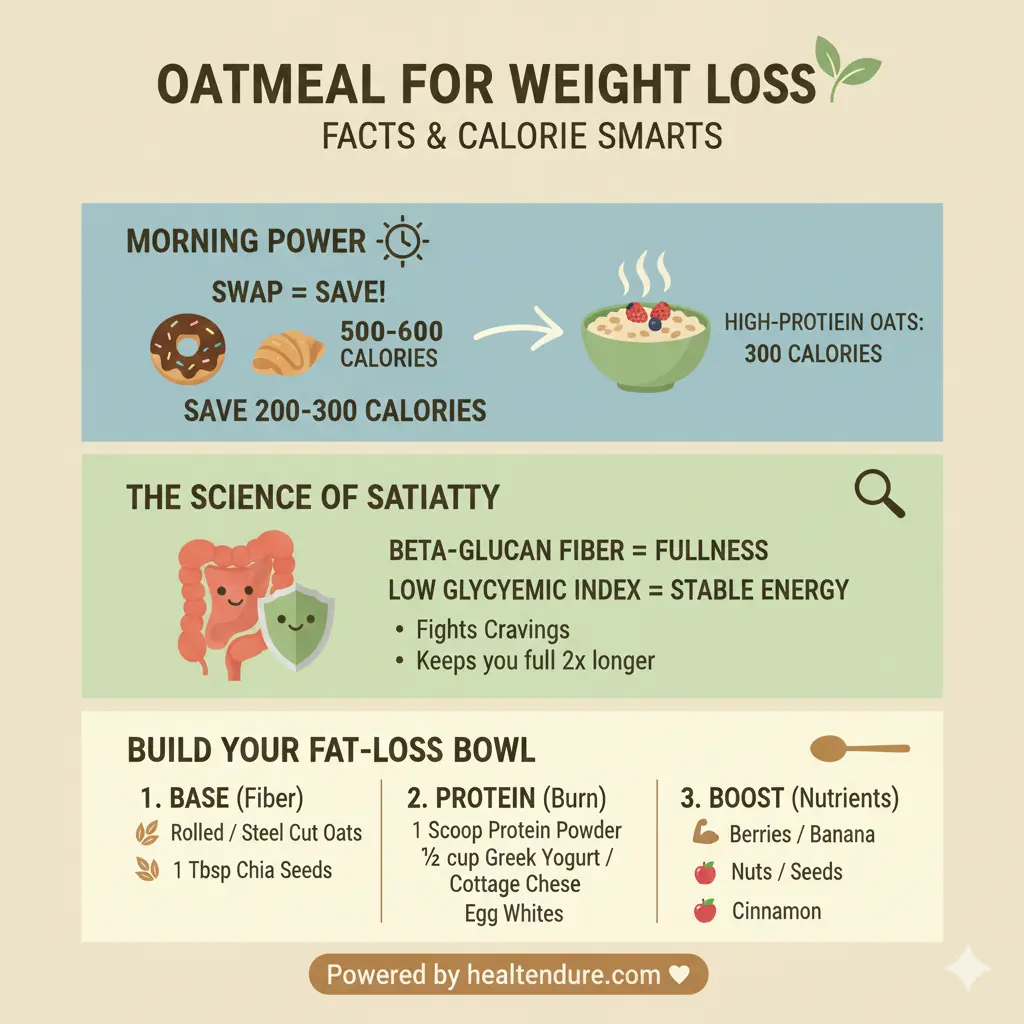
The secret weapon in every bowl of oats is Beta-glucan fiber. This is a specific type of soluble fiber unique to oats and barley. When it encounters liquid in your digestive tract, it dissolves and forms a thick, gel-like substance.
This simple physical change has massive health benefits:
- Slowing Digestion: The thick gel traps carbohydrates and slows the overall digestive process. This means glucose (sugar) is released into your bloodstream slowly and steadily, giving oatmeal a naturally low glycemic index (low GI). This smooth energy curve is essential for preventing the insulin spikes that signal your body to store fat.
- Boosting Satiety Hormones: The physical bulk of the gel expands in your stomach, signaling fullness to your brain. This feeling of satiety lasts for hours, making it easy to skip those unnecessary mid-morning snacks and adhere to a reduced-calorie plan.
- Cholesterol Reduction: Beyond weight loss, Beta-glucan binds to cholesterol-rich bile acids in the gut and escorts them out of the body, actively contributing to cholesterol reduction.
The high fiber and low-GI structure of oats are the reason they are so effective. A meta-analysis published in the journal confirmed that the unique properties of this grain are responsible for both increased satiety and significant improvements in cardiovascular risk factors. (Source: Clinical Study on Beta-glucan)
The Power of Pairing: Protein and Oats
While the fiber is crucial, the biggest mistake people make is consuming plain oatmeal. A bowl of plain oats is primarily a carbohydrate. For true fat loss, you must pair the soluble fiber with a dense source of protein.
Adding protein (via protein powder, Greek yogurt, or eggs) transforms the meal:
- Elevated Thermogenesis: Protein requires more energy to digest than carbs or fats (the Thermic Effect of Food). A high-protein meal increases your overall calorie burn. Studies published on PubMed also proved this phenomenon
- Muscle Protection: When you restrict calories for weight loss, the body tries to burn muscle along with fat. High protein intake helps preserve lean muscle mass, keeping your metabolism elevated.
Without a protein source, oatmeal is only half a meal. By adding protein, you create a complete, fat-loss powerhouse.
When is the Best Time to Eat Oatmeal for Weight Loss?
The timing of your meal can be just as important as the content when it comes to controlling appetite and maximizing energy throughout the day.
The Best Time: Breakfast (7:00 AM – 9:00 AM)
Eating oatmeal first thing in the morning is highly recommended for its long-lasting satiety benefits.
- Front-Loading Fullness: By filling up with a high-fiber, high-protein meal early, you stop hunger before it starts. This makes you less likely to overeat later in the day.
- Stable Energy: The slow-releasing energy from the low glycemic index prevents the blood sugar crash commonly associated with sugary breakfast cereals, guaranteeing focus and energy until lunchtime.
The Second Best Time: Late Afternoon Snack (3:00 PM – 4:00 PM)
The mid-afternoon slump is a major hurdle for dieters. Instead of grabbing a candy bar or a coffee shop pastry, a small portion of fortified oatmeal (such as a half-cup of overnight oats) is an excellent strategy.
- Combats Cravings: The satiety derived from the fiber stops the impulsive craving for high-sugar snacks that sabotage dinner plans.
- Curbs Evening Appetite: Research suggests that an afternoon snack high in fiber and protein can significantly reduce the amount of food consumed at dinner, leading to a natural calorie reduction.
Steel Cut vs. Rolled Oats: Which is Better for Fat Loss?
The aisle of your grocery store offers many types of oats, but for weight loss, you should focus on just two main varieties:
| Type of Oat | Preparation Method | Glycemic Index (GI) | Weight Loss Advantage |
| Steel Cut Oats | Chopped oat groats; takes 20-30 minutes to cook. | Lowest GI | Highest in fiber density; provides the most sustained energy release. Best for maximum satiety. |
| Rolled Oats | Steamed and flattened; cooks in 5 minutes. | Medium-Low GI | Best for convenience and overnight oats recipes; still retains excellent fiber content. |
| Instant Oats | Pre-cooked and dried; cooks in 1 minute. | High GI | Avoided for weight loss; lacks texture and causes faster sugar spike due to high processing. |
Verdict: Both steel cut oats and rolled oats are excellent choices for weight loss because they retain the crucial Beta-glucan fiber. Choose steel cut if you prioritize maximum sustained fullness and have time to cook, or choose rolled oats if you rely on quick preparation (like our overnight recipes below).
5 High-Protein Overnight Oats Recipes for Maximum Satiety
Overnight oats are the single easiest, most effective way to guarantee you never skip a high-protein breakfast again. The preparation takes 5 minutes the night before, and the refrigeration process softens the oats perfectly while allowing the protein and fiber to fully integrate.
Base Formula (Use for all recipes):
- ½ cup Rolled Oats
- ½ cup Liquid (Almond Milk, Water, or Cow’s Milk)
- 1 tbsp Chia Seeds (mandatory for texture and added fiber/protein)
1. High-Protein Chocolate Peanut Butter Cup Overnight Oats
This recipe is proof that weight-loss food can taste like dessert. It is ideal for curbing sugar cravings and maximizing muscle recovery.
- Protein Source: 1 scoop Chocolate or Vanilla Protein Powder (Whey or Plant-Based)
- Liquid Base: ½ cup Unsweetened Almond Milk
- Base Flavor: 1 tbsp Unsweetened Cocoa Powder
- Toppings (Added in the Morning): 1 tbsp Natural Peanut Butter, 1 tsp mini dark chocolate chips
2. Cottage Cheese Lemon Blueberry Overnight Oats
Cottage cheese is one of the most underrated protein sources. When blended with yogurt and lemon, its texture disappears, leaving a rich, creamy base high in both casein (slow-digesting) and whey protein.
- Protein Source: ¼ cup Plain Greek Yogurt + ¼ cup Blended Cottage Cheese
- Liquid Base: ½ cup Water or Coconut Water
- Fruit/Flavor: ⅓ cup Frozen Blueberries, 1 tsp Lemon Zest, 1 tbsp Lemon Juice
- Toppings (Added in the Morning): 5-10 chopped almonds
3. The Vegan Chai Spice Overnight Oats
This recipe relies on a plant-based protein powder and natural spices to achieve a warm, comforting flavor ideal for the winter months.
- Protein Source: 1 scoop Vanilla or Unflavored Plant-Based Protein Powder (Pea/Rice Blend)
- Liquid Base: ½ cup Oat Milk (adds extra creaminess)
- Spices/Flavor: ½ tsp Cinnamon, ¼ tsp Ginger, pinch of Cardamom, 1 tbsp Maple Syrup (optional)
- Toppings (Added in the Morning): Toasted pumpkin seeds or walnuts
4. The Recovery Banana-Cinnamon Overnight Oats
Using Greek yogurt offers an excellent protein boost without the need for supplemental powders, making it accessible and cost-effective.
- Protein Source: ½ cup Plain Greek Yogurt (0% or 2% Fat)
- Liquid Base: ¼ cup Water
- Fruit/Flavor: ½ mashed Ripe Banana, ½ tsp Cinnamon
- Toppings (Added in the Morning): A sprinkle of granola or extra banana slices.
5. Low-Sugar Savory Oats (The Unique Solution)
This unique recipe completely steps away from the dessert angle, offering a high-fat, high-protein meal that stabilizes blood sugar perfectly. This is a great choice if you suffer from severe afternoon energy crashes.
- Protein Source: 1 tbsp Nutritional Yeast (adds a cheesy flavor) + 1 Egg White (stirred in before cooking)
- Liquid Base: ½ cup Water or Bone Broth
- Flavor: Pinch of Sea Salt, Black Pepper, ½ tsp Turmeric
- Toppings (Added in the Morning): Sliced hard-boiled egg or sliced avocado, hot sauce/salsa.
FAQ: Common Myths About Oats and Weight Loss
Is Oatmeal Good for Losing Belly Fat?
Yes, absolutely. While no single food can “target” fat from a specific area of the body, oatmeal’s benefits are strategically effective against visceral fat (the dangerous fat stored deep around the organs). This is because visceral fat is highly sensitive to insulin. By controlling blood sugar and promoting a low glycemic index, oats reduce the insulin spikes that encourage the body to store fat in the abdominal area. Furthermore, the high fiber content promotes healthy gut health, which is increasingly linked to reduced inflammation and better metabolic function.
Does Eating Oatmeal Cause Bloating or Gas?
Oatmeal contains high levels of the soluble fiber that you need, but if your body is not accustomed to a high-fiber diet, introducing a large amount of it suddenly can lead to temporary bloating and gas. The best solution is to increase your intake slowly. Start with just a quarter cup of oats and gradually increase the portion size over two weeks, allowing your gut bacteria time to adapt.
What are the Benefits of Beta-glucan Fiber Beyond Weight Loss?
Beyond weight loss and satiety, Beta-glucan fiber is highly recognized for its ability to bind to cholesterol in the digestive tract, preventing its absorption. Regular consumption of oats has been shown to reduce LDL (“bad”) cholesterol, contributing to better cardiovascular health and overall longevity.
Can Diabetics Use Oatmeal for Weight Loss?
Yes, but with strict controls. Because of the low glycemic index, oats are an excellent source of sustained energy for diabetics. However, they must be consumed without added sugars, syrups, or excess dried fruit. Focusing on plain steel cut oats and fortifying them with pure protein (like protein powder or egg whites) is the safest approach, as this slows glucose absorption even further.
Conclusion: Your Simple Morning Plan
The science is clear: oatmeal for weight loss is one of the most powerful, affordable tools available. The combination of Beta-glucan fiber, low glycemic index, and the resulting hours of satiety means you are finally in control of your appetite.
You now have 5 fantastic high-protein overnight oats recipes to simplify your mornings and ensure you start every day with a complete, fat-burning meal.
Consistency is the final key. By setting up this simple morning routine, you have already won half the weight loss battle. Don’t let your efforts stop at breakfast.
Ready to simplify the rest of your day?
➡️ NEXT STEP: Click Here for The Ultimate 7-Day Plan: 5-Ingredient Healthy Winter Slow Cooker Recipes for Weight Loss.
Disclaimer: Consult your physician or a registered dietitian before starting any structured weight loss program, especially if you have existing health conditions like diabetes.