


Disclaimer: This article is for educational and informational purposes only. It does not provide medical advice. Always consult a qualified healthcare professional before making decisions related to medications, supplements, or weight-loss treatments.
What Is GLP-1 and Why Is Everyone Talking About It?
GLP-1 weight loss has quickly become one of the most searched health topics in recent years, and for good reason. Many people struggling with appetite control, cravings, and stubborn weight gain are hearing about GLP-1 as a potential solution and want to understand what it actually does.
GLP-1 stands for glucagon-like peptide-1, a hormone naturally produced in the body. Its main job is to help regulate appetite, digestion, and blood sugar levels. When GLP-1 is active, it sends signals to the brain that you are full, slows down digestion, and reduces hunger.
What makes GLP-1 different from traditional weight-loss approaches is that it works with the body’s appetite system, rather than relying solely on willpower, calorie restriction, or extreme dieting.
This guide explains GLP-1 in simple terms, how it works, what results people commonly experience, potential downsides, costs, and alternatives, so that you can make informed decisions. More scientific and detailed research is also available for in-depth knowledge on the topic.
What Does GLP-1 Do in the Body?
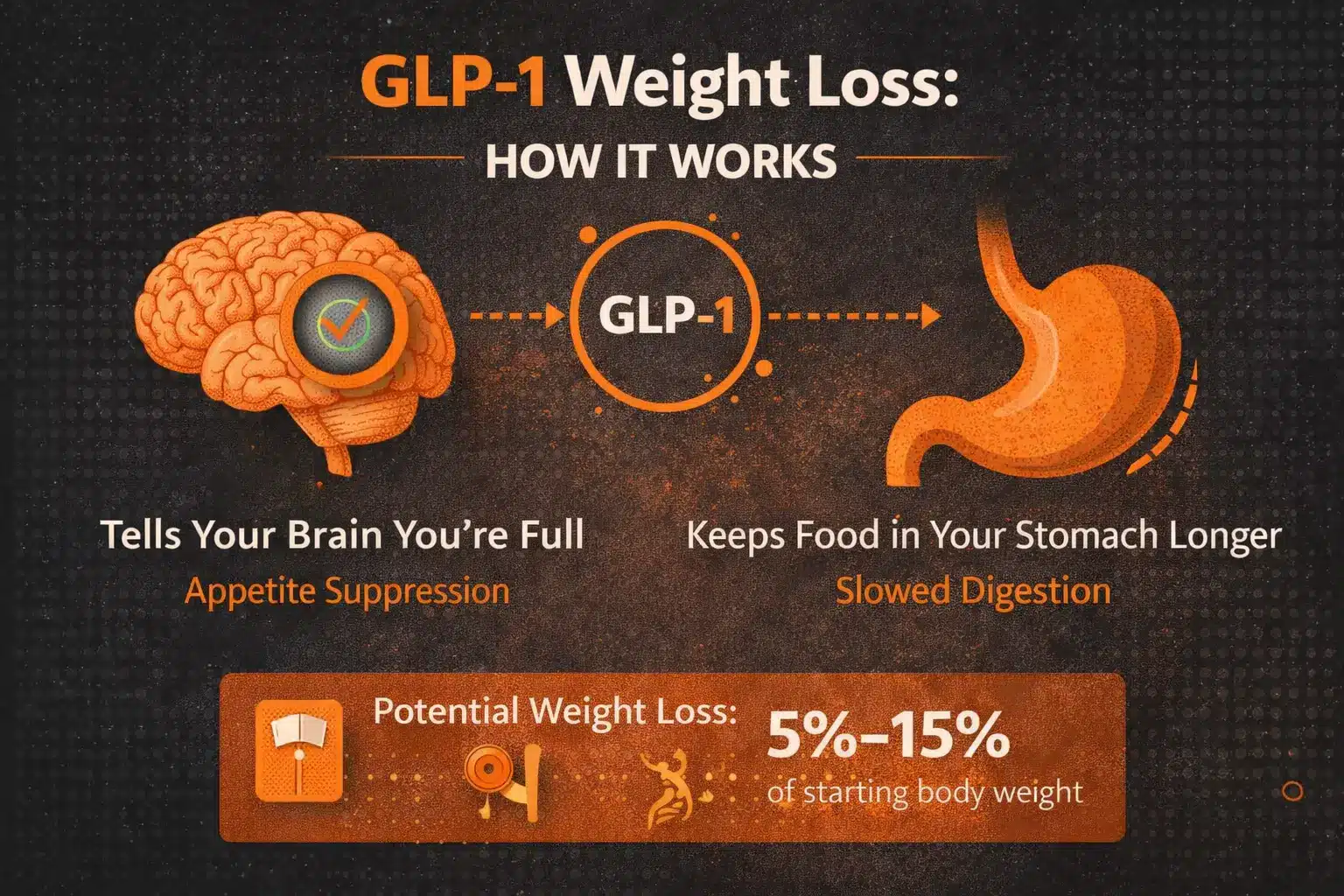
GLP-1 is released naturally after you eat, especially after meals containing protein and fiber. Once released, it affects the body in several ways:
- Signals fullness to the brain
- Slows stomach emptying, keeping you full longer
- Helps regulate blood sugar after meals
- Reduces appetite and food cravings
Because of these effects, people often eat less without feeling deprived. Instead of constant hunger or intense cravings, meals feel more satisfying.
It’s important to understand that GLP-1 is not a fat burner. Weight loss happens mainly because appetite decreases and portion sizes naturally shrink over time.
Natural GLP-1 vs GLP-1 Medications
The body produces GLP-1 naturally, but its effects are short-lived. This is where GLP-1-related medications and products come in. They are designed to extend or mimic the effects of natural GLP-1.
There are three broad categories people usually encounter:
- Prescription GLP-1 medications – Designed to act on GLP-1 receptors
- GLP-1 enhancement supplements – Marketed to support natural GLP-1 release
- Lifestyle methods – Diet and habits that naturally stimulate GLP-1
Each option has different effectiveness, costs, and risks, which we’ll explore throughout this guide.
How GLP-1 Helps With Weight Loss
How GLP-1 Reduces Appetite and Cravings
One of the biggest challenges in weight loss is hunger. GLP-1 directly targets this issue by communicating with appetite centers in the brain.
Many people report:
- Feeling full sooner during meals
- Less interest in snacking
- Reduced cravings for sugary or high-calorie foods
This doesn’t mean food becomes unappealing; it simply means overeating becomes less likely.
Does GLP-1 Burn Fat?
GLP-1 does not directly burn fat or increase metabolism in the way stimulants do. Instead, it helps create a calorie deficit naturally, without extreme hunger.
Weight loss happens because:
- Calorie intake decreases
- Eating patterns improve
- Portion control becomes easier
Over time, this can lead to steady and sustainable fat loss for many users.
Why GLP-1 Feels Different From Traditional Dieting
One reason GLP-1 weight loss attracts so much attention is that it feels fundamentally different from traditional dieting approaches. Many weight loss plans rely heavily on calorie counting, strict food rules, or intense self-control. Over time, this can lead to frustration, burnout, and rebound weight gain.
GLP-1 works differently because it targets biological hunger signals, not just eating behavior. Instead of constantly fighting cravings, many people report that their appetite feels quieter. Meals become more satisfying, and the urge to snack or overeat naturally decreases.
This difference matters because hunger is not simply a lack of discipline. A complex interaction of hormones, digestion speed, and brain signaling regulates appetite. GLP-1 influences these systems, which is why users often describe a sense of “relief” from constant food thoughts.
Another key difference is decision fatigue. Traditional dieting requires repeated daily decisions—what to eat, how much to eat, and when to stop. With GLP-1 appetite regulation, these decisions often feel easier, reducing mental exhaustion around food.
However, this does not mean GLP-1 replaces healthy habits. People who experience the best long-term results usually combine appetite control with:
- Balanced meals
- Adequate protein intake
- Regular movement
- Consistent sleep patterns
Understanding this distinction helps set realistic expectations. GLP-1 is not about forcing restriction; it’s about supporting appetite regulation in a way that many people previously struggled to achieve on their own.
How Much Weight Can You Lose With GLP-1?
Average Weight Loss on GLP-1
One of the most common questions people ask is: How much weight can you actually lose with GLP-1?
Based on publicly available research and user-reported experiences, many individuals report losing 5% to 15% of their body weight over several months. Some lose more, some less.
Results depend heavily on:
- Starting weight
- Diet quality
- Physical activity
- Consistency
- Individual biology
GLP-1 Weight Loss Timeline
While experiences vary, many users describe a general timeline:
- First 2–4 weeks: Appetite changes, mild side effects
- 1–3 months: Noticeable weight loss
- 3–6 months: Steady progress or plateaus
- 6+ months: Maintenance or slower loss
GLP-1 is not a quick fix. It works best as part of a long-term lifestyle approach.
GLP-1 Side Effects and Safety Concerns
Common GLP-1 Side Effects
Like any intervention affecting appetite and digestion, GLP-1 is not without side effects. Commonly reported ones include:
- Nausea
- Bloating
- Reduced appetite
- Constipation or diarrhea
- Fatigue during adjustment
These effects are often strongest during the early phase and may improve as the body adapts.
Less Common but Reported Risks
Some users report more persistent discomfort or difficulty tolerating appetite suppression. This is why GLP-1 is not suitable for everyone.
Side effects vary widely, and no single experience applies to everyone.
Important: Any concerns about side effects should be discussed with a qualified healthcare provider.
Why Some People Lose Weight on GLP-1 and Others Don’t
Not everyone experiences the same results with GLP-1 weight loss, and understanding why can prevent disappointment or unrealistic expectations.
One major factor is starting metabolic health. People with insulin resistance or long-term appetite dysregulation may notice more pronounced changes when appetite signaling improves. Others with relatively stable eating patterns may experience subtler effects.
Diet quality also plays a role. While GLP-1 can reduce hunger, food choices still matter. Diets dominated by ultra-processed foods may limit results, even if total intake decreases. In contrast, meals centered around protein, fiber, and whole foods tend to work synergistically with GLP-1’s appetite effects.
Another factor is behavioral adaptation. Some people respond to appetite suppression by building sustainable routines, while others attempt to eat too little, leading to fatigue or plateaus. Consistency matters more than extreme restriction.
Physical activity also influences outcomes. Exercise is not mandatory for weight loss on GLP-1, but movement supports:
- Muscle retention
- Metabolic health
- Long-term weight maintenance
Finally, individual biology plays a significant role. Hormone sensitivity, digestion speed, stress levels, and sleep quality all affect how the body responds.
This variability does not mean GLP-1 “works” for some and “fails” for others; it means results exist on a spectrum. Viewing GLP-1 as a support tool rather than a guarantee leads to healthier expectations and better long-term outcomes.
GLP-1 Dosage Basics
What Does “GLP-1 Dose” Mean?
The term “dose” refers to how much GLP-1 activity is introduced into the body. Higher doses tend to produce stronger appetite suppression but also increase the likelihood of side effects.
Why Dosage Is Increased Gradually
GLP-1-related products are usually introduced slowly to allow the digestive system to adjust. Rapid increases may worsen nausea or discomfort.
Self-adjusting dosage without professional guidance can be risky and is not recommended.
How Much Do GLP-1 Weight Loss Injections Cost?
Cost is a major factor for many people considering GLP-1 weight loss.
Average Monthly Cost
Prices vary widely depending on location, provider, and formulation, but monthly costs commonly range from several hundred to over a thousand dollars.
Factors influencing cost include:
- Brand vs generic options
- Prescription requirements
- Program fees
- Duration of use
Is GLP-1 Worth the Cost?
Whether GLP-1 is “worth it” depends on individual priorities, budget, and alternatives. Some people value the appetite control benefits, while others prefer lifestyle-based approaches.
The Long-Term Cost of GLP-1 Weight Loss
When evaluating GLP-1 weight loss cost, it’s important to look beyond monthly expenses alone. The true cost includes duration of use, lifestyle changes, and long-term sustainability.
Many people start GLP-1 with the assumption that it’s a short-term solution. However, appetite regulation often fades when use stops unless supportive habits are in place. This means some individuals plan for longer-term use, which can significantly affect overall cost.
There are also indirect costs to consider:
- Follow-up consultations
- Monitoring progress
- Adjusting diet and routines
- Time spent managing side effects
At the same time, some people experience cost offsets, such as reduced spending on takeout, snacks, or binge eating behaviors due to appetite suppression.
Understanding cost realistically helps prevent frustration. GLP-1 should be viewed as an investment decision, not an impulse purchase. Evaluating personal budget, lifestyle compatibility, and long-term goals is just as important as the medication itself.
Is GLP-1 Covered by Insurance?
Insurance coverage for GLP-1 varies widely.
In many cases:
- GLP-1 is covered when prescribed for diabetes
- Coverage for weight loss alone is limited or unavailable
When not covered, people often pay out-of-pocket or explore alternative strategies.
Are GLP-1 Patches Real or Just Marketing Hype?
GLP-1 patches are increasingly marketed as an easy alternative to injections. They claim to deliver GLP-1 through the skin.
However:
- There is limited evidence supporting their effectiveness
- Skin absorption of GLP-1 is questionable
- Many experts consider them unproven
Consumers should approach such products cautiously and evaluate claims critically.
GLP-1 Comparison: Injections vs Pills vs Patches
| Format | Effectiveness | Convenience | Evidence Level |
|---|---|---|---|
| Injections | High | Moderate | Strong |
| Pills | Moderate | High | Growing |
| Patches | Unclear | High | Limited |
This comparison helps explain why injections remain the most commonly used form.
Do GLP-1 Enhancement Pills Really Work?
GLP-1 enhancement pills are often supplements that claim to boost natural GLP-1 production.
While some ingredients may support appetite control indirectly:
- They do not act the same way as prescription GLP-1
- Results are typically milder
- Marketing claims are often exaggerated
These products may be suitable for people seeking a gentle, non-medical approach.
Does Lemme GLP-1 Work?
Products like Lemme GLP-1 are marketed as convenient appetite-support supplements.
Users commonly report:
- Mild appetite reduction
- Easier portion control
- Subtle effects compared to prescriptions
Such products may appeal to those not ready for stronger interventions but should be evaluated realistically.
Real-World GLP-1 Reviews and User Experiences
Common Positive Experiences
- Reduced hunger
- Improved portion control
- Steady weight loss
Common Complaints
- Digestive discomfort
- Cost concerns
- Plateaus after initial success
Expectations play a major role in satisfaction.
Common GLP-1 Weight Loss Myths
As GLP-1 popularity grows, so do misconceptions. Clearing up these myths helps readers make informed decisions.
Myth 1: GLP-1 causes instant weight loss
In reality, most weight loss is gradual. Early appetite changes may happen quickly, but visible results take time.
Myth 2: You can eat anything on GLP-1
While appetite may decrease, food quality still influences energy levels, digestion, and long-term success.
Myth 3: Weight always returns after stopping GLP-1
Weight regain depends largely on whether supportive habits were built during use.
Myth 4: GLP-1 replaces lifestyle changes
GLP-1 supports appetite regulation, but sustainable weight loss still benefits from movement, sleep, and balanced nutrition.
Addressing these myths builds trust and aligns expectations with reality.
Who Should NOT Consider GLP-1 for Weight Loss?
GLP-1 may not be suitable for:
- People seeking rapid or effortless weight loss
- Those unwilling to adjust their diet and habits
- Individuals sensitive to digestive changes
Lifestyle-first approaches are often a better starting point.
Natural Alternatives to GLP-1 for Weight Loss
Many lifestyle strategies naturally support GLP-1 release:
Foods That Support GLP-1
- High-protein meals
- Fiber-rich foods
- Whole, minimally processed foods
Lifestyle Habits
- Regular movement
- Adequate sleep
- Stress management
These methods may not produce dramatic results overnight, but they support long-term health.
Frequently Asked Questions About GLP-1 Weight Loss
Is GLP-1 safe long-term?
Long-term safety depends on individual factors and professional oversight.
Do you regain weight after stopping GLP-1?
Some people regain weight if lifestyle habits are not maintained.
Can GLP-1 work without exercise?
Exercise is not required, but it improves long-term outcomes.
Final Takeaway: Is GLP-1 Worth Exploring?
GLP-1 weight loss has changed how many people approach appetite control and weight management. It offers a new perspective—one that focuses on hormonal signals rather than sheer discipline.
However, it is not a magic solution. Results vary, costs can be high, and lifestyle habits still matter.
The best approach is an informed one: understand the options, weigh the pros and cons, and choose what aligns with your goals, health, and long-term sustainability.
Final Disclaimer
The information in this guide reflects general knowledge and publicly available research. It is not intended to replace personalized medical advice. Always consult a qualified healthcare professional before making health-related decisions.